Bleeding Gums in Lagos: 9 Important Causes and Solutions

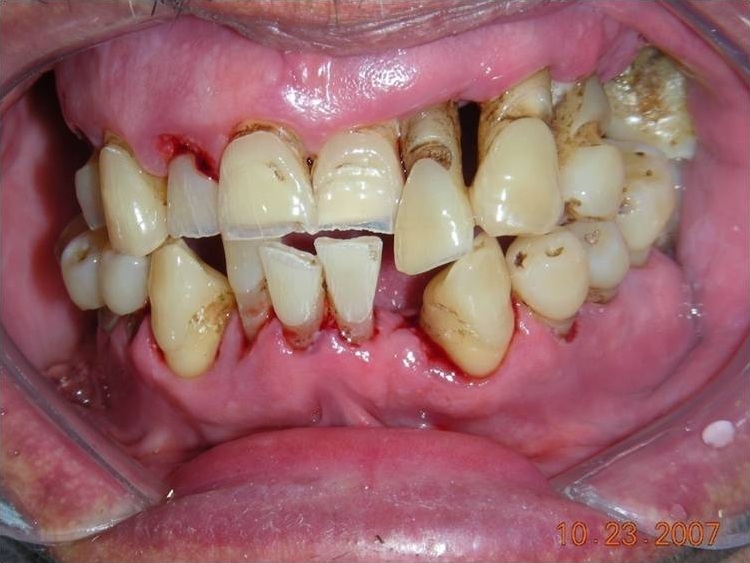
Bleeding gums in Lagos are common, but they should not be treated as normal. A pink toothbrush or blood when flossing often signals gum inflammation, although medicines, pregnancy, medical conditions or an injury can contribute.
Most importantly, bleeding is a symptom. The correct response is to find the cause rather than stop cleaning the area or cover it with mouthwash.
1. Plaque-related gingivitis is the commonest cause
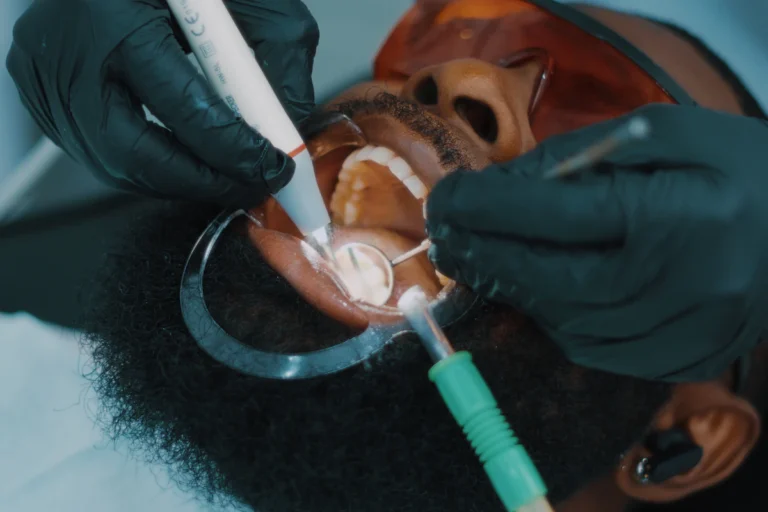
Plaque is a soft film of bacteria that collects around teeth and the gumline. When it is not removed effectively, gums become red, swollen and likely to bleed. Early gingivitis can often improve with professional cleaning and better daily plaque control.
Hardened tartar cannot be brushed away at home. It may require professional scaling and polishing.
2. Bleeding can signal periodontitis
When inflammation progresses deeper, the supporting tissues and bone around teeth may be damaged. Warning signs include gum recession, persistent bad breath, pus, spaces appearing between teeth, loose teeth or changes in the bite.
Periodontitis needs professional diagnosis and management. It is not cured by brushing harder or taking random antibiotics.
3. Starting floss can reveal existing inflammation
People sometimes blame floss because gums bleed when they begin. Correct interdental cleaning is usually revealing inflamed tissue, not creating disease. Gentle, consistent cleaning often reduces bleeding as the gums become healthier.
Technique matters. Forcing floss into the gum can cause injury. A dentist or hygienist can demonstrate floss or an interdental brush suited to the spaces between your teeth.
4. Brushing too hard can injure gums
A hard brush and aggressive side-to-side scrubbing can irritate gums and contribute to recession. Use a soft-bristled brush, light pressure and small controlled movements along the gumline.
Do not stop brushing because you see blood. Clean gently and book an assessment if bleeding persists.
5. Pregnancy can make gums more reactive
Hormonal changes during pregnancy can increase the gum response to plaque. Bleeding still deserves attention; it should not simply be dismissed as “pregnancy.” Continue gentle brushing and interdental cleaning and arrange dental care.
Tell the dental team that you are pregnant and share relevant medical information. Necessary dental care can usually be planned safely.
6. Medicines and medical conditions matter
Blood-thinning medicines can make bleeding more noticeable. Diabetes can increase gum-disease risk, especially when poorly controlled. Blood disorders, severe vitamin deficiencies and some systemic illnesses are less common but important possibilities.
Never stop prescribed medicine because your gums bleed. Tell your dentist what you take and speak with the prescriber when necessary.
7. Smoking can hide gum disease
Smoking increases periodontal risk but may reduce obvious bleeding by affecting blood flow. A smoker can therefore have serious disease without dramatic blood on the toothbrush.
Tobacco cessation supports gum healing and overall health. Bleeding is not the only sign that matters.
8. A local sore spot may have a specific cause
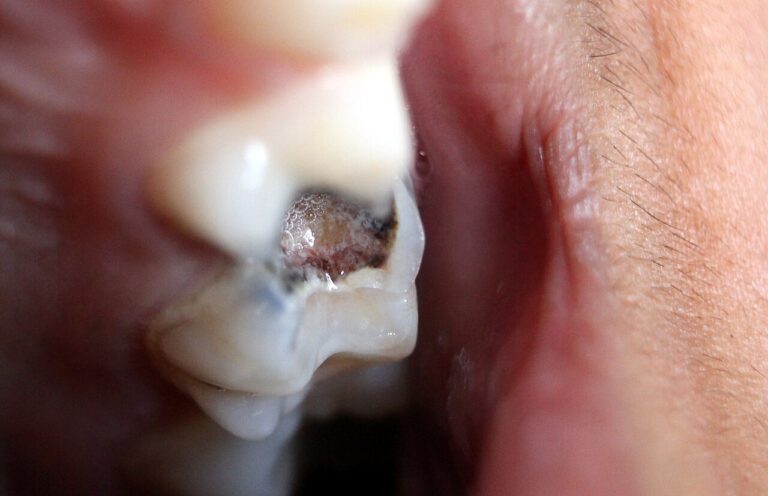
Bleeding around one tooth can relate to trapped food, a rough filling, decay, a partly erupted wisdom tooth, an injury or local gum disease. Persistent bleeding in one area should be examined rather than treated only with home remedies.
An ulcer, red patch or lump that lasts more than two weeks also needs assessment.
9. Know the urgent warning signs
Arrange prompt care if bleeding gums in Lagos come with swelling, pus, severe pain, loose teeth, fever or difficulty eating. Rapidly spreading facial swelling, difficulty swallowing or breathing, uncontrolled bleeding or serious illness requires urgent medical or dental assessment.
Do not place aspirin, battery fluid, harsh chemicals or concentrated salt mixtures on the gums.
A relatable Lagos example
Consider an illustrative situation. A Lagos commuter notices blood every morning but stops flossing because she thinks it is cutting her gums. She also has tartar behind the lower front teeth. After examination and cleaning, the clinician demonstrates gentle interdental care and creates a recall plan based on her gum measurements.
The improvement comes from removing the cause and cleaning consistently—not from hiding the symptom.
What a dental assessment may include
- A review of bleeding history, medical conditions and medicines.
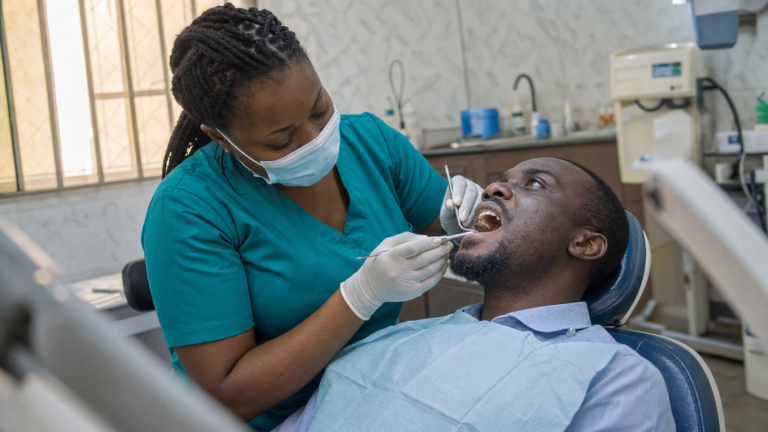
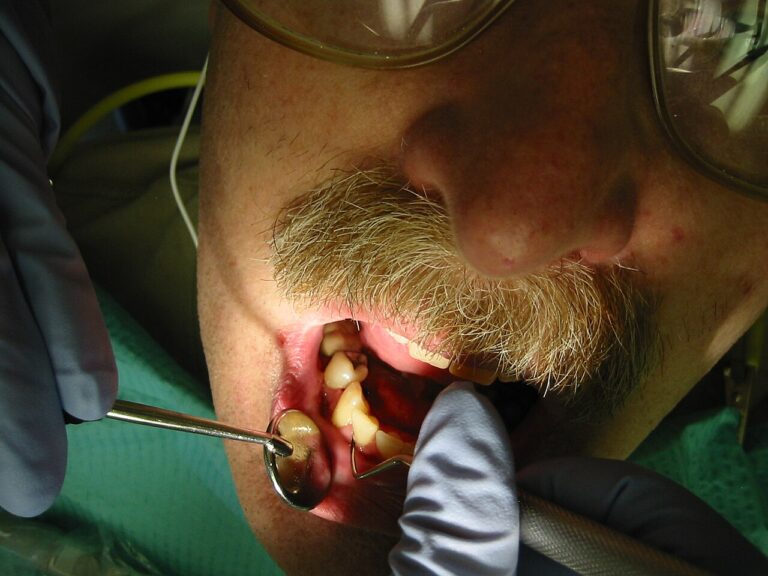
- Examination of plaque, tartar, swelling, recession and tooth mobility.
- Gum-pocket measurements where appropriate.
- X-rays when needed to assess bone or another suspected problem.
- A diagnosis and personalised cleaning or periodontal plan.
- Practical brushing and interdental-cleaning instruction.
What you can do at home
- Brush twice daily with fluoride toothpaste and a soft brush.
- Clean between teeth every day using the method recommended for you.
- Spit after brushing rather than rinsing vigorously.
- Avoid tobacco and keep diabetes reviews up to date.
- Eat a balanced diet instead of relying on supplements to treat unexplained bleeding.
- Book a dentist if bleeding continues beyond a short period of careful cleaning.
Common questions about bleeding gums in Lagos
Can mouthwash stop bleeding gums?
Mouthwash may support a treatment plan in selected cases, but it does not remove hardened tartar or replace mechanical cleaning. Some medicated rinses should be used only for a limited period under professional advice.
Are bleeding gums caused by vitamin C deficiency?
Severe deficiency can affect gums, but plaque-related inflammation is much more common. Do not self-diagnose from one symptom; persistent or unusual bleeding needs evaluation.
Should I stop flossing?
Usually no. Use gentle correct technique. If bleeding is heavy, painful, localised or persists, have the area examined.
Can bleeding gums cause bad breath?
Plaque, tartar and periodontal disease can contribute to persistent bad breath. Dry mouth, tongue coating, decay and non-dental causes may also be involved.
Will antibiotics cure gum disease?
Not by themselves. Most plaque-related gum disease needs effective deposit removal, daily plaque control and risk-factor management. Antibiotics are reserved for specific indications.
Where can I get help for bleeding gums in Lagos?
You can arrange an examination through the Dovers Dental Clinic website. Exact prices are not published because the correct treatment depends on examination and diagnosis.
How soon should you act?
If bleeding starts after a clear minor injury and settles quickly, monitor it. If it happens repeatedly, lasts more than about a week despite gentle effective cleaning, or comes with other symptoms, book a dental visit.
Early care for bleeding gums in Lagos is usually simpler than waiting for advanced gum damage. Keep cleaning gently, avoid unsafe remedies and get a diagnosis.
Trusted sources
Reviewed by Dr Ola Adebayo.
This article provides general education and does not replace an examination, diagnosis or personalised medical advice.
Bleeding gums often improve when the cause is treated early. Explore scaling and polishing at Dovers Dental or book an assessment if bleeding persists.