Gum Disease in Lagos: 9 Warning Signs You Should Never Ignore
You brush your teeth, spit into the sink, and notice a little blood. It does not hurt, so you tell yourself you probably brushed too hard. A few weeks later, your breath still feels unpleasant by midday, even after using mouthwash. This is how gum disease in Lagos often begins: quietly, with signs that are easy to dismiss.
Bleeding gums are common, but they are not normal. When caught early, gum inflammation can often be reversed. When ignored, it may damage the bone and tissues that hold the teeth in place. This guide explains the warning signs, what treatment involves, and when to book a dental visit.
Clinically reviewed by Dr Ola Adebayo.
What is gum disease in Lagos?
Gum disease is an infection and inflammation of the tissues supporting your teeth. The early stage is called gingivitis. At this point, the gums may bleed, look red or feel tender, but the bone around the teeth has not been permanently damaged.
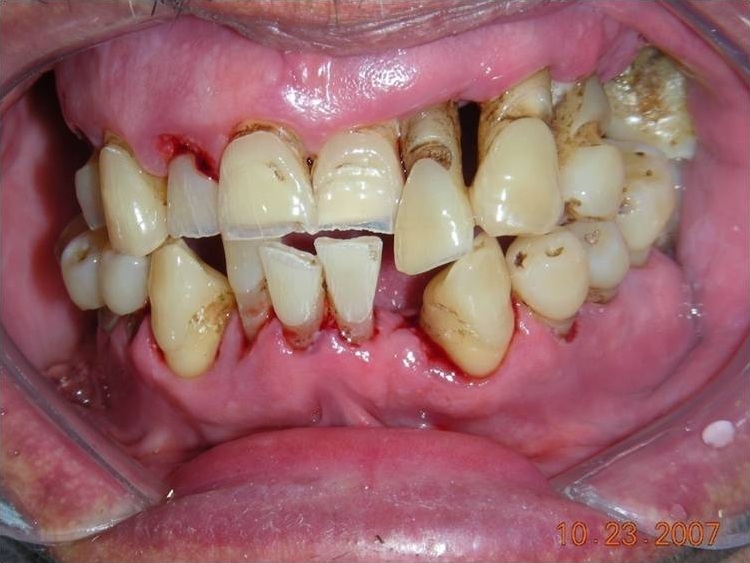
If plaque and hardened tartar remain around and below the gumline, gingivitis can progress to periodontitis. In periodontitis, the gum pulls away from the tooth, pockets deepen, and supporting bone may be lost. Teeth can eventually loosen or shift.
A national Nigerian oral-health survey published in the West African Journal of Medicine found very high levels of periodontal disease among the adults and older people examined. The severity increased with age. That does not mean every bleeding gum will lead to tooth loss, but it does show why early assessment matters.
9 warning signs of gum disease in Lagos
1. Bleeding while brushing or flossing
Blood on your toothbrush, floss or in the sink is usually a sign of inflammation. Brushing too aggressively can injure the gum, but repeated bleeding should not be blamed on a “hard toothbrush” without an examination. Healthy gums generally do not bleed during gentle cleaning.
2. Red, swollen or tender gums
Healthy gums are usually firm and fit closely around the teeth. Puffy, shiny, deep-red or sore gums can mean plaque is irritating the tissue. Some people notice tenderness only when eating something crunchy or when the dentist examines the area.
3. Bad breath that keeps returning
Morning breath is one thing. Breath that returns soon after brushing, or a persistent bad taste, may come from bacteria around the gums, trapped food, a decayed tooth or another oral problem. Mouthwash can temporarily cover the smell without treating the cause.
4. Gums pulling away from the teeth
If a tooth suddenly looks longer, the gum may be receding. Recession can be caused by gum disease, aggressive brushing or an unfavourable tooth position. Exposed roots may also become sensitive. The cause must be identified before treatment is chosen.
5. Sensitivity near the gumline
A sharp sensation with cold water, sweet foods or even Lagos harmattan air may come from an exposed root. Sensitivity can also result from decay, a cracked tooth or enamel wear, so do not assume it is “just sensitive teeth.”
6. Pus, a gum boil or discharge
Pus between the tooth and gum, a recurring pimple on the gum, swelling or a foul taste can indicate infection. It may be a periodontal abscess or an infection arising from inside a tooth. Read our guide to a tooth abscess in Nigeria, and arrange prompt dental care.
7. Loose teeth, shifting teeth or new gaps
Adult teeth should not become mobile without a reason. New spaces, flaring front teeth or a change in tooth position may suggest loss of supporting bone. Early treatment gives the dentist a better chance of controlling the disease and preserving the teeth.
8. Pain or discomfort when chewing
Gum disease is often painless, but advanced inflammation, an abscess or a loose tooth can make chewing uncomfortable. Pain may also come from decay, a cracked filling or an impacted wisdom tooth. If pain becomes worse at bedtime, see our guide to tooth pain at night in Lekki.
9. A change in your bite or denture fit
If your teeth meet differently when you close your mouth, or a partial denture that once fitted well now feels loose, the supporting gums and bone may have changed. This deserves an examination rather than repeated adjustment at home.
Why gum problems are easy to ignore
Many people wait because the gums do not hurt. Others assume bleeding is caused by brushing, buy a stronger mouthwash, or take antibiotics left over from another illness. Lagos schedules also make it tempting to postpone a visit until a tooth becomes loose.
Unfortunately, pain is not a reliable measure of severity. Periodontitis can progress slowly with little discomfort. By the time chewing becomes painful, treatment may be more involved. A routine dental check can identify inflammation before it becomes an emergency.
Who is more likely to develop gum disease?
Plaque that is not removed is the main trigger, but risk is not the same for everyone. Your risk may be higher if you:
- smoke or use tobacco;
- have diabetes, especially when blood sugar is not well controlled;
- are pregnant or experiencing hormonal changes;
- have a family history of severe gum disease;
- take medicines that cause dry mouth or gum enlargement;
- wear appliances that make cleaning difficult; or
- have not had a dental examination or professional cleaning for a long time.
Diabetes and gum disease can affect each other. If you live with diabetes and your gums bleed regularly, tell both your dentist and doctor rather than treating the two issues as unrelated.
How a dentist checks for gum disease in Lagos
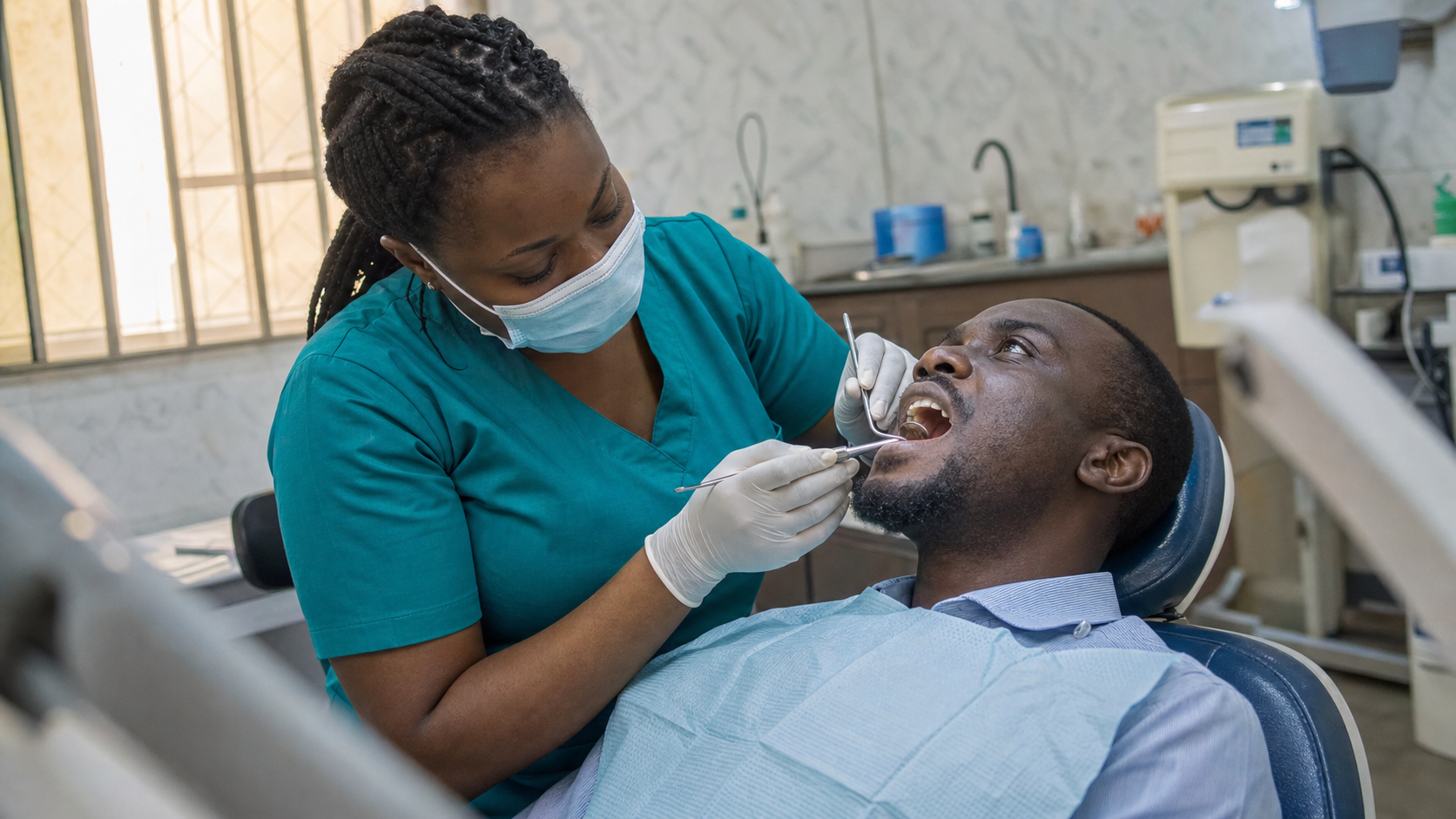
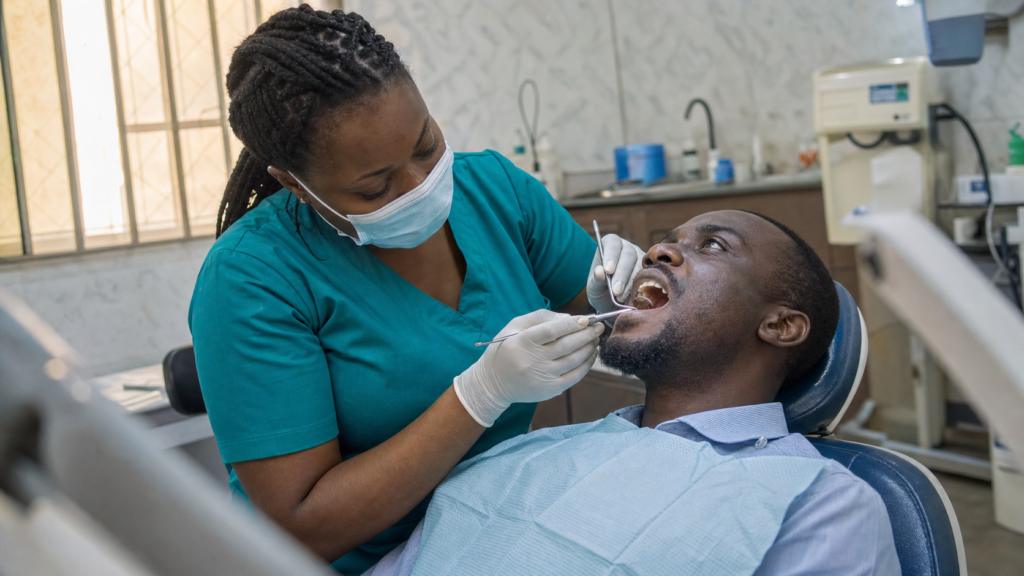
At the appointment, the dentist will ask about bleeding, pain, bad breath, medical conditions, medicines and smoking. The teeth and gums are then examined. A small measuring instrument may be used gently around each tooth to check the depth of the space between the tooth and gum.
The dentist may also assess recession, tooth mobility, bite and plaque or tartar deposits. Dental X-rays are sometimes needed to check the level of supporting bone and to rule out infection inside a tooth. Not every patient requires the same tests.
Gum disease treatment in Lagos: what may be recommended
Treatment depends on the diagnosis and severity. For gingivitis, improved daily cleaning and professional removal of plaque and tartar may be enough to restore gum health. Your dentist or hygienist should show you how to clean the difficult areas, not simply tell you to “brush better.”
For periodontitis, deeper cleaning below the gumline—often called scaling and root planing—may be recommended. Treatment can be completed in sections and reviewed after healing. Advanced cases may require additional procedures or referral for specialist periodontal care.
Smoking, dry mouth and poorly controlled diabetes also need attention because cleaning alone may not control every risk factor. Explore Dovers Dental Clinic’s gum treatment and periodontal care in Lagos to understand the assessment process.
Because every mouth is different, Dovers Dental does not publish one fixed treatment price. After an examination, the clinic can explain what is required and provide a personalised quotation before treatment begins.
What you can do at home—and what to avoid
Brush twice daily with fluoride toothpaste and a soft-bristled brush. Clean between the teeth with floss or an interdental brush suited to the size of the spaces. If a new flossing routine causes mild bleeding, continue gently, but arrange an assessment if bleeding persists or is heavy.
Avoid scrubbing harder to “remove the blood.” Do not place bleach, undiluted hydrogen peroxide, battery water, harsh powders or unknown herbal mixtures on the gums. These can burn tissue and delay proper care. Do not take antibiotics without a diagnosis; they do not remove tartar and are not a substitute for dental treatment.
According to the NHS guidance on gum disease, regular brushing, cleaning between the teeth and dental check-ups remain central to prevention and early treatment.
When is a gum problem urgent?
Book a prompt dental appointment if bleeding keeps returning, you notice pus, a gum boil, recession, loose teeth or a persistent bad taste. Seek urgent help if swelling is spreading, pain is severe, or you feel feverish or unwell.
Difficulty breathing or swallowing, swelling that is rapidly increasing, or swelling around the eye or neck requires emergency medical attention. Do not wait for a routine appointment in those situations. Dovers Dental also provides emergency dental care in Lagos.
Frequently asked questions
Can gum disease be cured?
Gingivitis can often be reversed with professional care and consistent home cleaning. Periodontitis can usually be controlled, but lost supporting bone does not simply return on its own. Long-term maintenance is important.
Can receding gums grow back?
Receded gum tissue usually does not grow back naturally. Treatment focuses on stopping the cause and protecting the exposed root. In selected cases, a gum graft or another procedure may be considered.
Is scaling painful?
Routine cleaning may feel sensitive in inflamed areas. For deeper cleaning, local anaesthetic can be used to keep you comfortable. Tell the dental team if you are anxious or sensitive so the visit can be paced appropriately.
How often should I return after treatment?
The interval depends on your gum measurements, risk factors and response to treatment. Some people return every three to four months for periodontal maintenance; others can attend less frequently. Your dentist should recommend an individual schedule.
Gum disease in Lagos: do not wait for a loose tooth
If your gums bleed, your breath has changed or your teeth seem to be moving, arrange an examination while the problem may still be manageable. For an assessment in Lekki, contact Dovers Dental Clinic. You will receive a diagnosis and treatment options—not a one-size-fits-all promise.
This article provides general information and does not replace an examination or personalised advice from a qualified dentist.