Why Are My Teeth Sensitive? 9 Important Causes and Relief Tips
That sudden zing from cold water, ice cream or even cool harmattan air can make you stop mid-sip. If you keep asking, “why are my teeth sensitive?”, the short answer is that the protected inner part of a tooth may be reacting to temperature, sweetness, touch or pressure. The important question is why that protection has changed.
Sometimes the cause is simple, such as brushing too hard. At other times, sensitivity is the first warning of decay, a crack or an inflamed tooth nerve. This Lagos-focused guide explains the difference, what you can safely do at home and when you should see a dentist.
Why are my teeth sensitive?
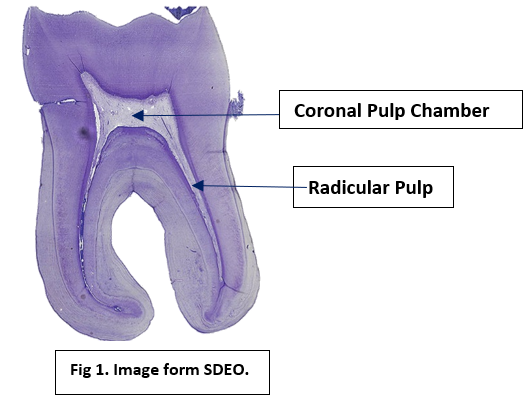
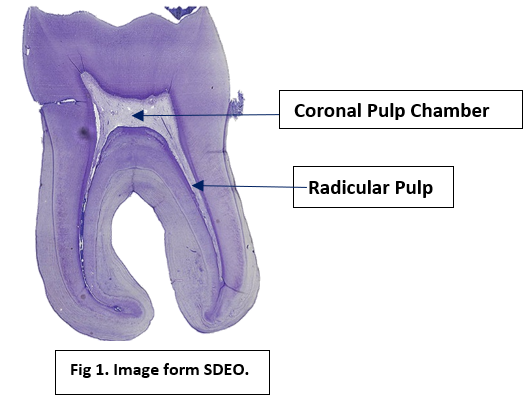
A healthy tooth has a hard enamel covering above the gum and cementum protecting its root. Beneath these layers is dentine, which contains thousands of tiny channels leading towards the nerve. When enamel becomes thin or the gum pulls away from the root, heat, cold, sweetness and touch can stimulate those channels. The result is usually a short, sharp pain. This helps explain why are my teeth sensitive is a question with several possible answers.
True dentine sensitivity often affects several teeth and fades quickly when the trigger is removed. Pain that lingers, wakes you at night or stays in one tooth is different. It may mean the nerve is inflamed or infected and needs professional care.
9 important causes of sensitive teeth
1. Brushing too hard
Scrubbing with a hard brush or heavy pressure can wear the thin enamel near the gumline and make the gum recede. A soft-bristled brush, gentle circular movements and two minutes of brushing are enough. More force does not mean cleaner teeth.
2. Gum recession
Gums can recede because of gum disease, aggressive brushing, smoking, tooth position or ageing. The exposed root has no enamel, so it reacts more easily. Bleeding, swelling or persistent bad breath alongside recession should be assessed because treating gum disease early helps protect the supporting bone.
3. Acidic drinks and frequent snacking
Soft drinks, energy drinks, citrus juice and repeatedly sucking acidic sweets can gradually soften enamel. The frequency matters: sipping a drink over several hours keeps the mouth acidic for longer than taking it with a meal. Rinse with water afterwards and wait about an hour before brushing, because brushing immediately can rub softened enamel away.
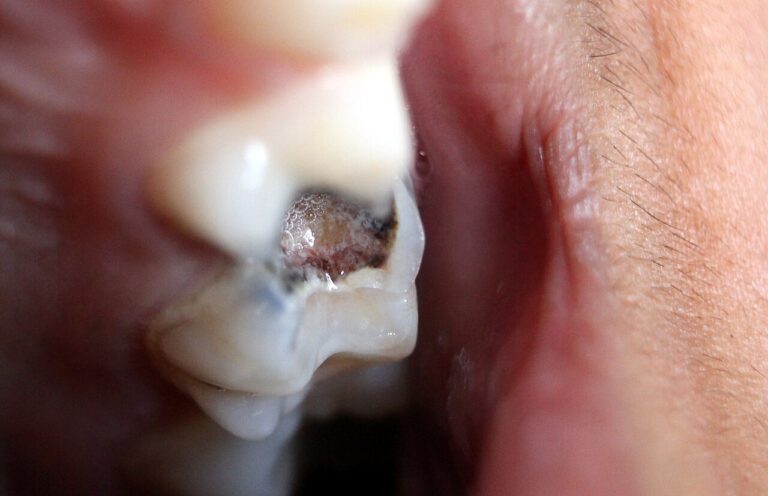
4. Tooth decay
A cavity may begin as sensitivity to cold or sweet foods. As it deepens, discomfort can last longer or occur without a trigger. Desensitising toothpaste cannot repair decay. The damaged area must be examined and restored before it reaches the nerve.
5. A cracked tooth or leaking filling
A small crack may cause a sharp pain when you bite and release, while an old filling can lose its seal and allow temperature changes to reach deeper tooth tissue. Cracks are not always visible in a mirror or even on a routine X-ray, so the pattern of pain gives the dentist useful clues.
6. Teeth grinding
Clenching or grinding can wear enamel, create tiny cracks and overload the muscles around the jaw. Morning jaw stiffness, headaches or flattened tooth edges are common clues. A dentist may recommend habit changes or a custom night guard after checking your bite.
7. Whitening-related sensitivity
Whitening products can temporarily make teeth more reactive, especially when used too often or at an unsuitable strength. This commonly settles after treatment stops, but severe or persistent pain should be checked. A dental examination before whitening helps identify cavities, cracks and exposed roots that could make sensitivity worse.
8. Recent dental treatment
Mild sensitivity can follow a filling, scaling or other dental procedure and often improves as the tissues settle. Contact the treating dentist if it is worsening, the bite feels unusually high, or the pain continues beyond the period they advised.
9. An inflamed or infected nerve
When decay, trauma or a crack reaches the pulp, pain may linger after hot or cold drinks, happen spontaneously or wake you from sleep. Swelling, fever, a bad taste or difficulty opening the mouth can suggest infection. Read our guide to a tooth abscess in Nigeria and seek urgent dental care if these signs appear.
A relatable Lagos example
Imagine someone who begins every hot afternoon with an iced drink and notices a brief sting across several front teeth. They also use a firm brush and scrub hard because it feels thorough. That pattern may fit exposed dentine. Now compare it with one lower molar that throbs after cold water, hurts on biting and later wakes the person at 2 a.m. The second pattern needs prompt examination rather than another tube of sensitive toothpaste. Asking why are my teeth sensitive is useful, but the pain pattern often matters more than the label. These are illustrative situations, but the distinction is useful: short, general sensitivity and persistent pain in one tooth are not the same problem.
How to get relief safely
- Brush twice daily with a soft-bristled toothbrush and fluoride toothpaste.
- Try a genuine desensitising toothpaste containing an evidence-based active ingredient. Use it consistently as directed; it may take days or weeks to help.
- Spit after brushing and avoid rinsing immediately, so fluoride remains on the teeth longer.
- Keep acidic drinks to mealtimes, use water afterwards and avoid holding drinks around the teeth.
- Pause non-prescribed whitening products if sensitivity begins.
- Do not place aspirin, herbs, battery fluid or harsh chemicals on a painful tooth or gum. They can burn tissue without treating the cause.
Our practical guide to the best toothpaste for sensitive teeth in Nigeria explains what to look for on the label. The American Dental Association also provides a useful overview of sensitive teeth and evidence-based information about toothpaste ingredients.
When should you see a dentist?
If you are still wondering why are my teeth sensitive after changing your routine, book an assessment when sensitivity is limited to one tooth, lasts longer than a few seconds, is becoming more frequent or has not improved after two to four weeks of careful home care. Arrange urgent attention for severe spontaneous pain, night pain, facial swelling, fever, difficulty swallowing, trauma or a broken tooth.
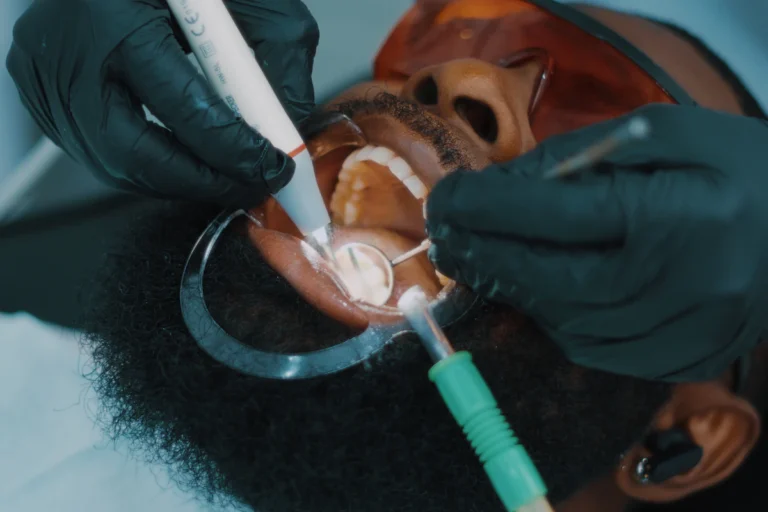
A dentist may check the gums, look for decay and cracks, test the tooth’s response to temperature and tapping, assess the bite and take an X-ray where appropriate. Treatment depends on the cause. Options may include fluoride varnish, a protective coating or filling, gum treatment, repair of a crack, a night guard or root canal treatment when the nerve cannot recover.
Sensitive teeth treatment in Lagos
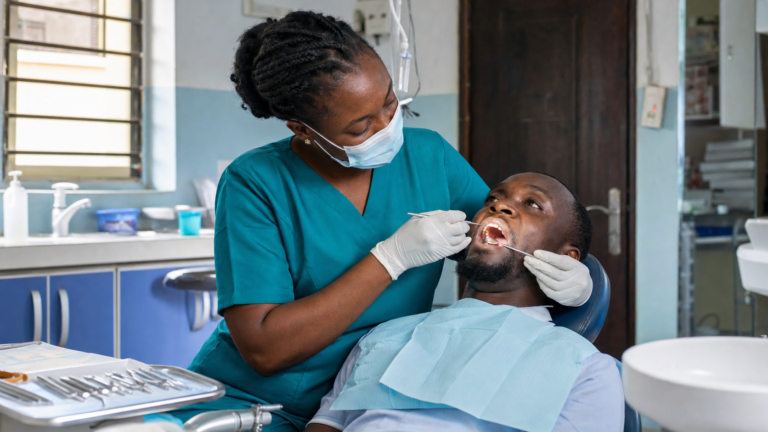
At Dovers Dental Clinic in Lekki Phase 1, the aim is to identify the cause before recommending treatment. Two people with the same complaint may need completely different care, so fees are not quoted as a universal fixed price. After an examination, the team explains the findings, options and a personalised quote before treatment begins.
If sensitivity is affecting meals, sleep or daily life, book a dental appointment or contact the clinic for guidance.
Frequently asked questions
Can sensitive teeth heal on their own?
When people ask why are my teeth sensitive, mild irritation is one possibility. Mild sensitivity from temporary irritation may settle, especially after correcting brushing technique or stopping a whitening product. Lost enamel and significant gum recession do not grow back, although symptoms can often be controlled. Decay, cracks and infection require treatment.
Why are my teeth sensitive all of a sudden?
A new acidic-drink habit, whitening, heavy brushing, grinding or recent dental work can cause a sudden change. One newly sensitive tooth can also signal a cavity or crack. If the pain is strong, persistent or localised, arrange an examination.
Does scaling cause permanent sensitivity?
Temporary sensitivity can occur after hardened deposits are removed, particularly where roots were already exposed. It usually improves. Scaling does not create decay or remove healthy enamel when performed correctly.
Can I use painkillers instead of seeing a dentist?
Pain relief may help temporarily but does not treat a cavity, crack or infection. Follow the medicine label and ask a pharmacist or doctor about suitability, especially if you are pregnant, have ulcers, kidney disease, take blood thinners or use other medicines.
Reviewed for general dental accuracy by Dr Ola Adebayo. This article is educational and does not replace an examination or personalised medical advice. Seek urgent professional help for swelling, fever, breathing or swallowing difficulty, trauma, or severe worsening pain.