Child Dental Care in Lagos: 10 Essential Tips for Parents
Child dental care in Lagos does not begin when a child complains of pain. It starts with the first tooth, everyday food choices and calm, regular visits that help a child see the dentist as part of normal healthcare.
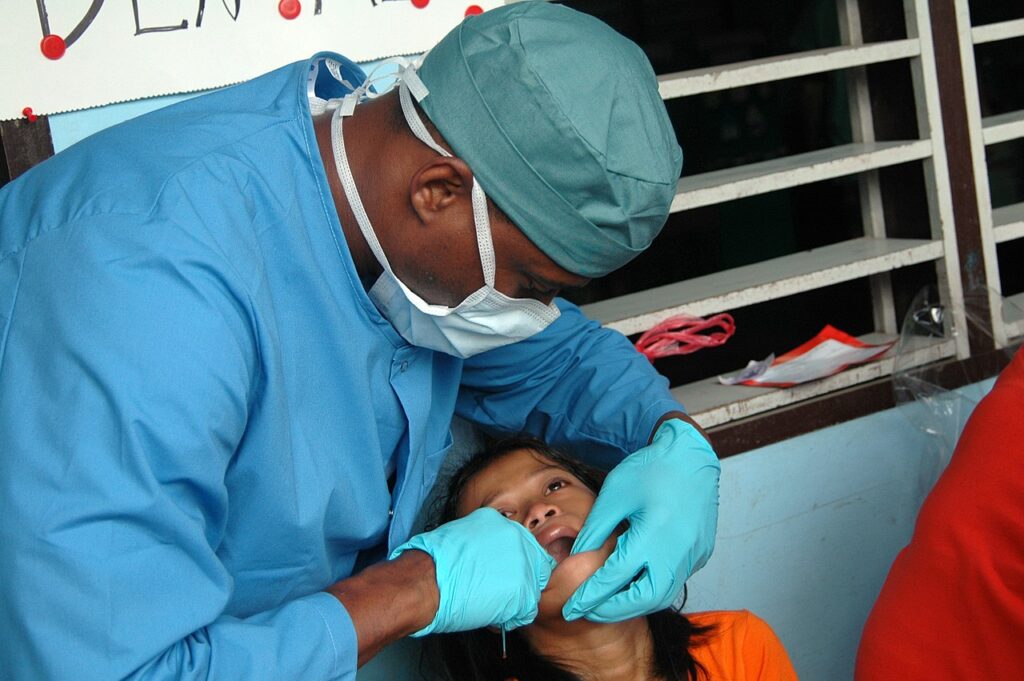
Parents often have practical questions: How much toothpaste is safe? Is night feeding harmful? Do baby teeth matter if they will fall out? This guide gives clear, age-appropriate answers without blaming families for habits they were never taught to question.
Why child dental care in Lagos matters
Good child dental care in Lagos protects baby teeth, which help children chew, speak clearly, smile confidently and hold space for the permanent teeth developing underneath. Untreated decay can cause pain, missed school, poor sleep, difficulty eating and infection. Losing a baby tooth too early may also allow nearby teeth to drift into its space.
Decay is not simply caused by “bad brushing”. It develops through a combination of plaque, frequent sugar exposure, tooth susceptibility and time. Family routines, product access, school snacks and what caregivers offer between meals all play a part. Small, realistic changes are more useful than guilt.
10 essential tips for healthy children’s teeth
1. Start before the first tooth
You can gently wipe a baby’s gums with a clean, soft, damp cloth. Once the first tooth erupts, brush it twice daily with a small, soft toothbrush and fluoride toothpaste. Early brushing makes the routine familiar before a toddler becomes more independent.
2. Use the right amount of fluoride toothpaste
For children under three, use only a smear about the size of a grain of rice. From three to six years, use a pea-sized amount. An adult should place the toothpaste on the brush, supervise brushing and encourage the child to spit it out. Keep toothpaste out of reach when not in use.
3. Brush twice a day, especially before bed
Brush for about two minutes in the morning and last thing at night. Night brushing is particularly important because saliva flow reduces during sleep. Clean the outer, inner and chewing surfaces with gentle movements along the gumline.
4. Help longer than you think
For effective child dental care in Lagos, a child may want to brush alone but still lack the hand control to clean every surface. Let them begin, then a parent or caregiver can finish. Many children need active help until around age seven or eight, and supervision beyond that if plaque is repeatedly missed.
5. Make sugar less frequent
The mouth becomes acidic each time a child consumes sugar. Constant sipping or grazing gives teeth little time to recover. Keep sweets, biscuits, sweetened yoghurt, juice, malt drinks and fizzy drinks to occasional mealtimes rather than offering them repeatedly through the day. Plain water is the best routine drink between meals.
Check labels because products marketed for children can still contain substantial sugar. Fruit is nutritious, but whole fruit is usually kinder to teeth than juice because chewing and fibre change how it is consumed.
6. Avoid sleeping with sweet drinks
Do not put a child to bed with juice, sweetened pap, chocolate drinks, soft drinks or a bottle containing a sugary liquid. Prolonged exposure during sleep can cause rapid decay, especially across the upper front teeth. If a bedtime bottle is still being used, speak with the child’s healthcare professional about a safe transition plan rather than making an abrupt change that disrupts feeding.
7. Book the first dental visit early
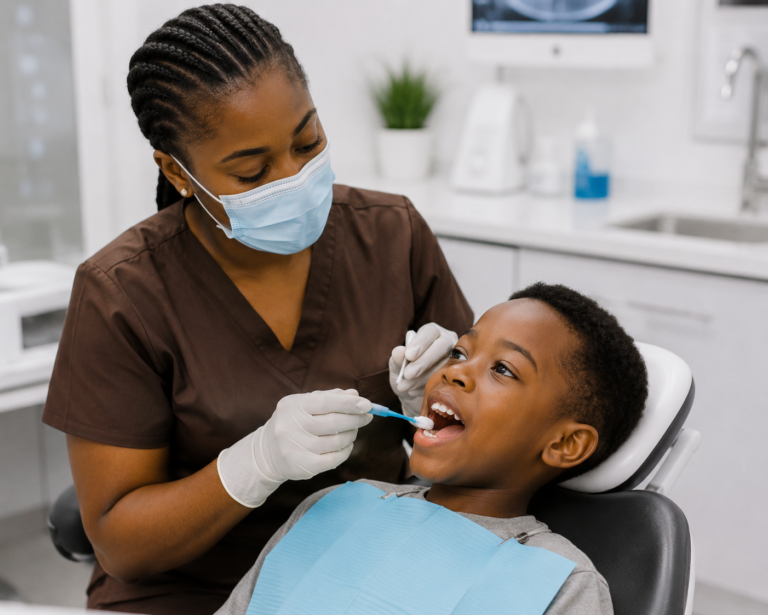
A first visit is recommended when the first tooth appears or by the first birthday. The appointment can be simple: checking development, demonstrating brushing and answering feeding questions. Early, comfortable visits help prevent the dentist from becoming associated only with pain or injections.
8. Protect new permanent molars
In child dental care in Lagos, the first permanent molars often appear around age six, behind the baby teeth. Parents sometimes mistake them for temporary teeth because no baby tooth falls out first. Their deep grooves can trap plaque. A dentist may recommend fissure sealants or fluoride treatment depending on the child’s decay risk.
9. Use a mouthguard for contact sports
Children playing football, basketball, martial arts or other activities with collision risk can injure front teeth. A well-fitting mouthguard reduces the chance of damage. If a permanent tooth is knocked out, hold it by the crown, not the root, and seek emergency dental help immediately.
10. Watch for early warning signs
White chalky patches near the gumline can be an early sign of mineral loss. Brown or black areas, a visible hole, persistent bad breath, sensitivity, swelling, pain on chewing or night pain also need attention. Children do not always describe pain clearly; refusing food on one side or becoming irritable at night may be the clue.
An age-by-age child dental care guide
Babies and toddlers
Brush from the first tooth with a rice-grain smear of fluoride toothpaste. Keep sweet drinks out of bottles and begin dental visits early. A toddler who resists brushing is not unusual: use a consistent time, a short song and a safe position where the caregiver can see every tooth.
Ages three to six
Use a pea-sized amount of fluoride toothpaste and supervise closely. Begin cleaning between teeth where they touch. Prepare children for visits with simple positive language such as “the dentist will count and clean your teeth”. Avoid promising that nothing will happen, because the dentist must first examine the child.
Primary-school children
Continue checking brushing, especially around newly erupted permanent molars. Review school snacks and water intake. Ask the dentist whether sealants are appropriate. If teeth appear crowded or the bite looks unusual, an orthodontic assessment may be advised; it does not automatically mean braces must start immediately.
Teenagers
Teenagers need straightforward conversations about energy drinks, frequent snacking, smoking or vaping, mouthguards, braces and oral piercings. Give them ownership of the routine while keeping dental appointments and supplies accessible.
A relatable Lagos family scenario
Imagine a parent whose four-year-old brushes every morning but often falls asleep after a sweet evening drink. The child later develops white patches near the gums without complaining of pain. In this illustrative situation, the useful response is not blame. It is to add bedtime brushing, replace the routine sweet drink with water where appropriate and arrange an assessment while the changes may still be early. This is a composite example, not a real patient testimonial.
How to make dental visits less frightening
- Choose calm, neutral words and avoid sharing frightening dental stories.
- Do not use a dental visit as punishment for eating sweets.
- Book a morning appointment if your child is usually rested then.
- Bring relevant medical information and tell the team about sensory or communication needs.
- Allow the dental team to explain instruments in child-friendly language.
- Praise cooperation, not perfection.
For more help, read our guide to finding a children’s dentist in Lagos. The NHS also provides practical guidance on caring for children’s teeth, while the American Dental Association explains how fluoride protects teeth.
Child dental care in Lagos at Dovers Dental
At Dovers Dental Clinic in Lekki Phase 1, children’s visits focus on prevention, age-appropriate explanations and treatment based on an individual examination. Exact fees are not displayed as a universal price because care depends on the child’s needs. Parents receive findings, options and a personalised quote before treatment.
To arrange child dental care in Lagos, visit the clinic’s children’s dental care service or book an appointment.
Frequently asked questions
Do cavities in baby teeth need treatment?
Often, yes. The decision depends on the tooth, the child’s age, the depth of decay and when the tooth should naturally fall out. Untreated decay can cause pain, infection and early tooth loss, so let a dentist assess it.
What if my child swallows toothpaste?
Using the recommended tiny amount reduces risk. Supervise brushing, encourage spitting and keep the tube out of reach. If a child consumes a large amount, contact a healthcare professional or poison-information service promptly.
How often should children visit the dentist?
The right child dental care in Lagos schedule depends on decay risk, development and previous findings. Many children are reviewed about every six months, while some need shorter or longer intervals. Follow the schedule recommended after examination.
Reviewed for general dental accuracy by Dr Ola Adebayo. This article is educational and does not replace an individual dental or medical assessment. Seek urgent care for facial swelling, fever, trauma, uncontrolled bleeding, severe pain, or breathing or swallowing difficulty.