Baby Teeth Care in Lagos: 9 Essential Steps for Parents

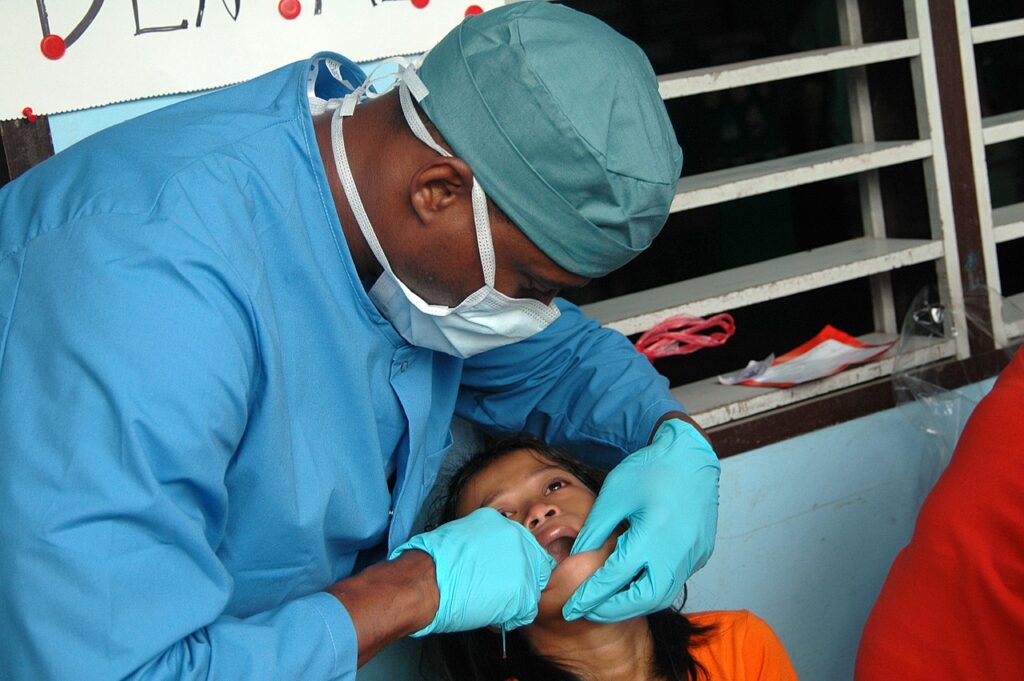
Baby teeth care in Lagos should begin before the first tooth appears. A baby’s mouth may be small, but everyday habits—how often they sip sweet drinks, what happens after the bedtime feed, and when brushing starts—can shape their comfort and oral health for years.
This guide gives Nigerian parents practical, evidence-based advice without scare tactics. It also explains when a symptom is normal and when your child needs a dentist or doctor.
1. Start baby teeth care in Lagos before the first tooth
Before teeth erupt, gently wipe your baby’s gums once a day with a clean, soft, damp cloth. This is less about “scrubbing away bacteria” and more about building a calm mouth-cleaning routine. It also helps your baby become comfortable with someone touching the lips and gums.
Choose a quiet moment rather than waiting until your baby is overtired. Wash your hands, wrap the cloth around one finger and wipe gently. Do not use salt, lemon, charcoal, herbs or adult mouthwash on a baby’s gums.
2. Brush early: a foundation of baby teeth care in Lagos
Once the first tooth breaks through, brush twice daily with a small, soft-bristled children’s toothbrush. Use a tiny smear of fluoride toothpaste—about the size of a grain of rice—for children under three. An adult should do the brushing because young children cannot clean every surface properly.
Fluoride strengthens enamel and helps prevent decay. The aim is a very small measured amount, not a brush covered with paste. Encourage your child to spit out excess toothpaste as they grow, and do not leave them alone with the tube.
3. Baby teeth care in Lagos includes a visit by age one
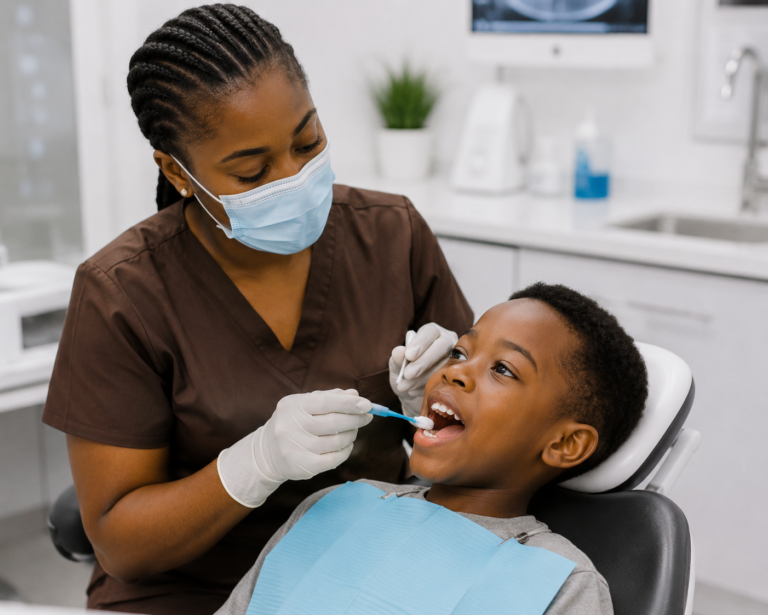
The first visit should happen when the first tooth appears and no later than the first birthday. This may sound early, especially when nothing seems wrong, but it lets the dentist check development, feeding habits, fluoride exposure and early signs of decay.
An early appointment is usually short and gentle. The parent may hold the child while the dentist looks inside the mouth. It is also a chance to ask questions about thumb sucking, dummies, teething and brushing. If you need a child-friendly assessment, you can contact Dovers Dental Clinic in Lagos.
4. Know what teething can—and cannot—cause
Teething can make a baby drool, chew objects, rub the gums or become unsettled. A cool, clean teething ring and gentle gum massage may help. Keep teething rings cool rather than frozen solid, because very hard frozen items can hurt delicate gums.
Do not assume that fever, diarrhoea, a widespread rash, breathing difficulty or unusual sleepiness is “just teething.” Those symptoms can have another cause and deserve medical advice. Avoid amber teething necklaces because of choking and strangulation risks. Do not use benzocaine or lidocaine teething gels unless a qualified clinician has specifically advised an appropriate product for your child.
5. Protect teeth during bedtime feeds
Milk is nourishing, but teeth repeatedly exposed to milk, formula or sweet drinks during sleep have less protection from saliva. Once teeth appear, try to finish the bedtime feed before brushing. Put your baby to sleep without a bottle containing milk, juice or a sweetened drink.
If your child needs a bottle for comfort, speak with your paediatrician or dentist about a gradual transition. Never add sugar, honey or cereal to a bottle to encourage sleep. Honey should not be given to babies under 12 months because of the risk of infant botulism.
6. Reduce frequent sugar, not just sweets
Tooth decay is strongly influenced by how often teeth meet sugar. Biscuits, sweet yoghurt, flavoured cereal, fruit drinks, sweetened pap and frequent sips of juice can create repeated acid attacks even when the portions seem small.
Offer water between meals and keep sugary foods to mealtimes rather than allowing all-day grazing. Whole fruit is generally a better everyday choice than juice. Check labels: products marketed for children can still contain added sugar.
7. Keep brushing calm and consistent
Many toddlers resist brushing. That does not mean you are failing. Use the same short routine each morning and night, let the child choose between two toothbrush colours, sing a two-minute song, and praise cooperation. A parent should still complete the brushing.
Positioning can help: sit the child on your lap with the head supported against your chest, or stand behind them in front of a mirror. Lift the lip gently so you can reach the gumline and the back teeth. Replace the brush when the bristles fray or after an illness if advised.
8. Watch for early warning signs
Healthy baby teeth matter for eating, speech, confidence and guiding permanent teeth. Contact a dentist if you notice a chalky white line near the gum, a brown or black spot, a hole, swelling, bleeding that persists, pain, bad breath that does not improve with cleaning, or a child avoiding food on one side.
Facial swelling, fever with dental pain, difficulty swallowing or breathing, or a child who appears very unwell needs urgent assessment. Do not place aspirin, battery fluid, alcohol or caustic home remedies on a painful tooth or gum.
9. Prevent injuries at home and during play
As babies begin crawling and walking, falls are common. Secure sharp furniture edges and supervise climbing. If a baby tooth is knocked out, do not put it back into the socket; doing so can damage the developing permanent tooth. Contact a dentist promptly for advice.
If a tooth is pushed sideways, becomes loose, chips, bleeds around the gum or later turns darker, arrange an examination. For more urgent guidance, read our knocked-out tooth emergency guide.
A relatable Lagos example
Consider an illustrative example: a parent in Lekki notices that her 14-month-old cries during brushing and has a pale mark near an upper front tooth. She has been giving a bottle of sweetened cereal drink after brushing because it helps the child sleep. The useful response is not blame. A dentist can check whether the mark is early decay, show the parent a comfortable brushing position and help the family adjust the bedtime routine step by step.
This is why baby teeth care in Lagos should be practical and compassionate. Families have busy workdays, school runs, power interruptions and different feeding routines. A good plan must fit real life while protecting the child’s teeth.
Common questions about baby teeth care in Lagos
What if my baby has no teeth yet?
Children develop at different rates. If you are worried about delayed eruption, poor growth, pain, swelling or other health concerns, ask your dentist or paediatrician rather than relying on a single age cut-off online.
Can baby teeth get cavities?
Yes. Decay can progress quickly in small primary teeth. Early changes may look white rather than brown, so routine checks matter even when the child is not complaining.
Should children use fluoride toothpaste?
Yes, in the correct small amount and with adult supervision. Use a rice-grain smear under age three and follow professional advice for your child’s individual risk.
When should flossing begin?
Begin cleaning between teeth when two teeth touch and a toothbrush cannot reach the contact. A dentist or hygienist can demonstrate a safe technique.
How often should my child return to the dentist?
The interval depends on age, development and risk of decay. Your child’s dentist should recommend a personalised recall schedule after examining the mouth.
Your baby teeth care in Lagos daily checklist
- Clean the mouth every day, beginning before the first tooth.
- Brush twice daily from the first tooth with a rice-grain smear of fluoride toothpaste.
- Let an adult supervise and complete brushing.
- Avoid bottles or sweet drinks after the bedtime brush.
- Offer water between meals and limit frequent sugary snacks.
- Book the first dental visit by the first birthday.
- Seek help early for spots, holes, pain, injury or swelling.
Good baby teeth care in Lagos is built through small, repeatable choices—not perfection. Start with tonight’s brush, improve one feeding habit at a time and ask for professional help when something looks or feels wrong.
Trusted sources
- American Academy of Pediatric Dentistry: Dental Home by Age One
- AAPD: Periodicity of Examination and Preventive Services
- AAPD: Fluoride Therapy guidance
Reviewed by Dr Ola Adebayo.
This article provides general education and does not replace an examination or personalised medical advice.
For a gentle check-up and a prevention plan suited to your child, explore child dental care at Dovers Dental in Lekki.