Fluoride Treatment for Children in Lagos: 7 Important Facts

Fluoride treatment for children in Lagos can strengthen tooth enamel and reduce the chance of cavities, but it is not automatically needed on the same schedule for every child. A dentist should consider the child’s age, teeth, diet, brushing habits and previous decay before recommending varnish.
What is fluoride varnish?
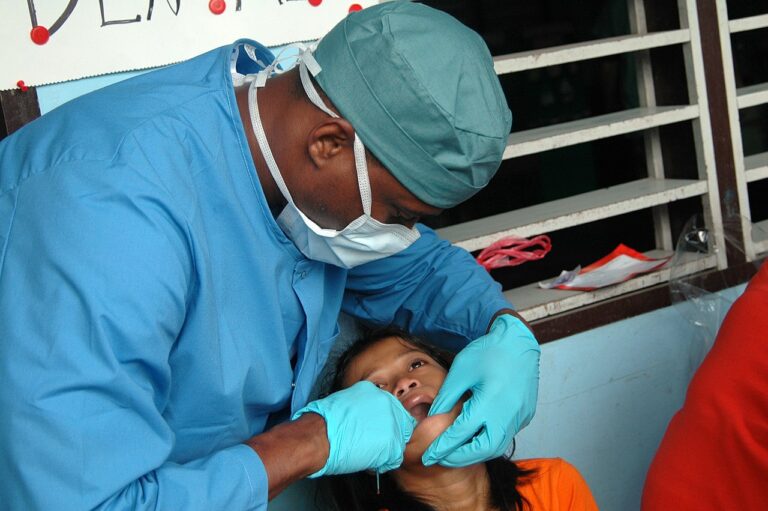
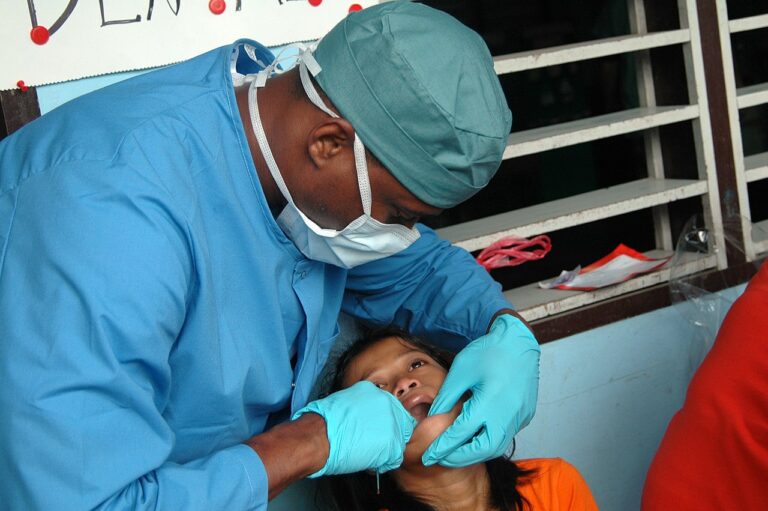
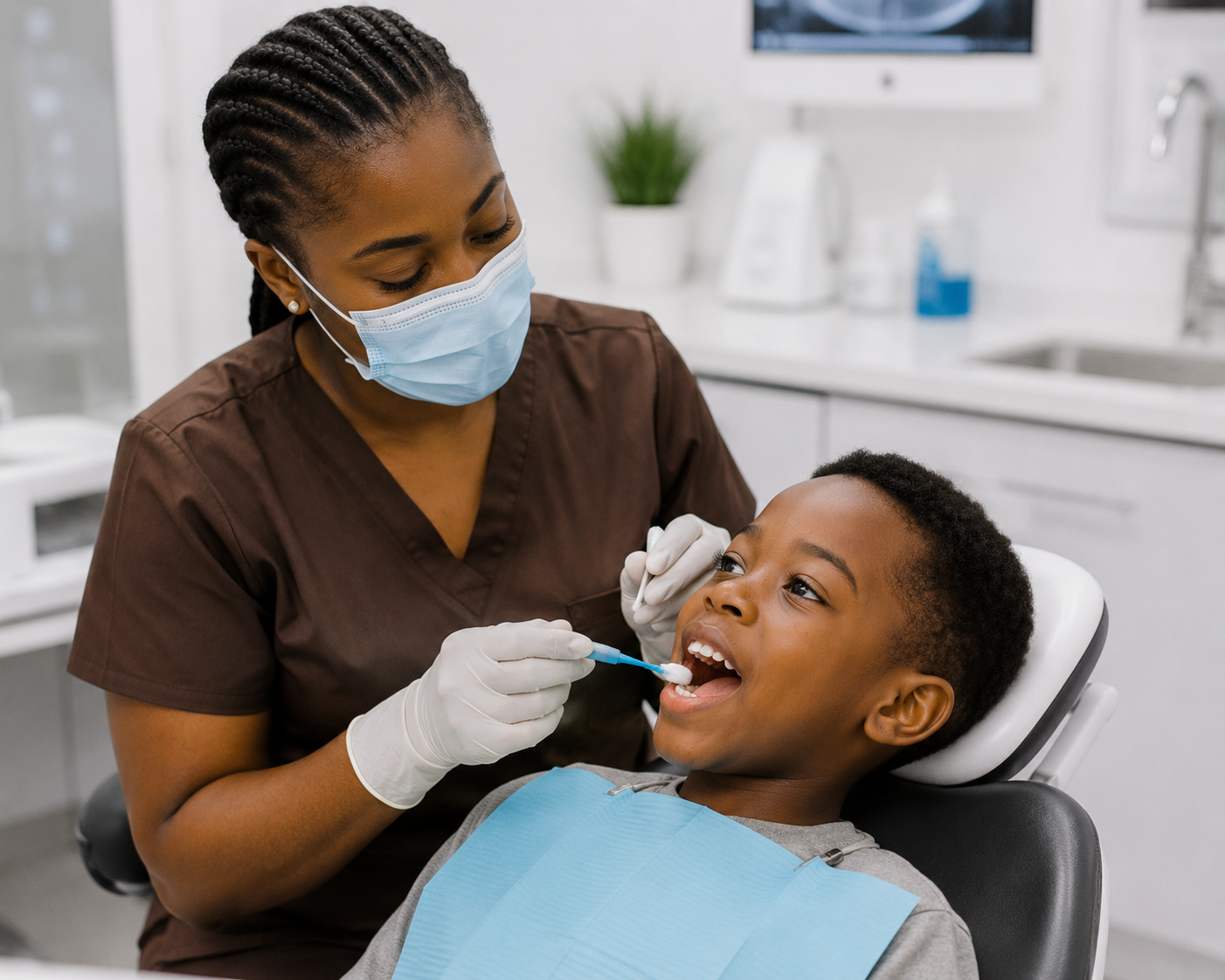
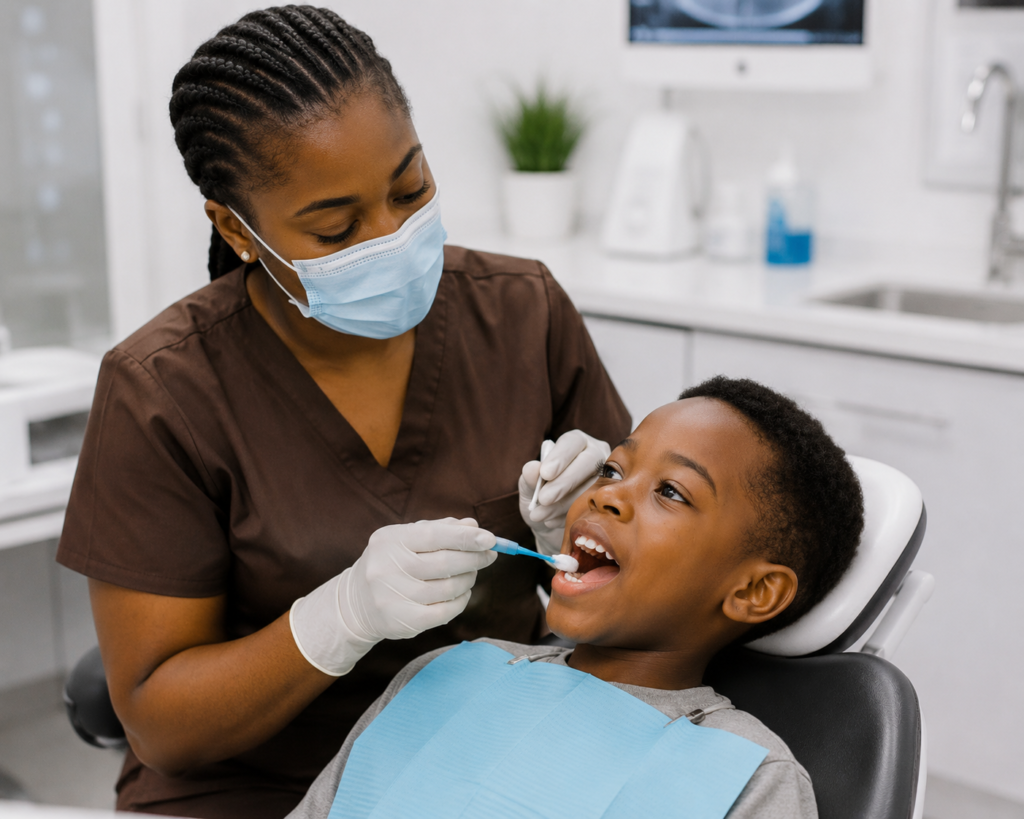
Fluoride is a mineral that helps enamel resist acid attacks from plaque bacteria and sugary foods. During a varnish appointment, the dentist paints a small amount of concentrated fluoride onto the teeth. It sets quickly when it contacts saliva. Children can usually leave immediately, although parents should follow the eating, drinking and brushing instructions given by the clinic.
The varnish does not remove an existing cavity and it does not replace brushing. It is one part of prevention.
Who may benefit most?
A dentist may recommend fluoride treatment for children in Lagos more often when a child has had cavities, has early weak areas on the enamel, wears braces, struggles to brush effectively, frequently snacks on sugary foods, has reduced saliva or has another condition that increases decay risk.
A child with healthy teeth, good brushing and low decay risk may need a different preventive plan. That is why a fixed timetable for everyone is not responsible advice.
What parents should expect
- The dentist examines the teeth and asks about diet, toothpaste and previous cavities.
- The teeth may be gently cleaned or dried.
- A thin layer of varnish is painted onto selected tooth surfaces.
- The parent receives aftercare instructions and a personalised review plan.
Fluoride treatment for children in Lagos is usually quick. Some children dislike the taste or texture briefly, but the procedure should not be described as “completely painless” for every child because comfort and cooperation vary.
Is fluoride safe for children?
Fluoride is beneficial when it is used in the correct amount. Problems are more likely when young children repeatedly swallow too much fluoride while permanent teeth are developing. Parents should supervise brushing, use the age-appropriate amount of toothpaste and keep toothpaste out of reach.
Do not give fluoride tablets or drops simply because your family uses bottled or borehole water. Tell the dentist the child’s main water source. Supplements require an individual assessment of age, decay risk and total fluoride exposure.
Fluoride toothpaste at home
Daily brushing remains the foundation of prevention. Use a smear about the size of a grain of rice for children under three years and a pea-sized amount from ages three to six, unless the child’s dentist advises differently. Brush twice daily and supervise until the child can brush thoroughly and spit reliably.
After brushing, encourage the child to spit rather than rinse repeatedly with water. This leaves a small amount of fluoride on the teeth for longer.
Fluoride varnish, toothpaste and sealants are different
Toothpaste provides frequent low-level fluoride at home. Varnish is a professional application used according to risk. A fissure sealant is a protective coating placed in the deep grooves of certain back teeth. A child may need one, more than one, or none of these measures depending on the examination.
Parents considering fluoride treatment for children in Lagos should ask what problem the dentist is trying to prevent and how the recommendation fits the child’s overall plan.
A relatable Lagos example
Imagine a seven-year-old who brushes once most days, drinks sweetened yoghurt frequently and has already needed two fillings. The dentist may regard that child as higher risk and recommend varnish alongside better brushing and fewer sugary snacks. Another seven-year-old with no decay and strong home care may receive a different schedule. These are illustrative situations, not patient testimonials.
How food and drinks affect the result
Varnish cannot cancel out frequent sugar exposure. Soft drinks, sweetened zobo, malt drinks, biscuits, sweets and sugary yoghurt give plaque bacteria repeated fuel when consumed throughout the day. Keep sweet foods and drinks mainly to mealtimes, offer water between meals and avoid a sugary drink in bed.
Questions to ask the dentist
- Why are you recommending fluoride treatment for children in Lagos for my child?
- What signs of cavity risk did you find?
- How often should my child return, and why?
- What amount and strength of toothpaste should we use?
- Would sealants help the permanent molars?
- What should my child avoid immediately after varnish?
When a child needs more than prevention
Book an assessment if the child has tooth pain, swelling, a broken tooth, a visible hole, difficulty eating or pain that interrupts sleep. Fluoride varnish cannot repair a deep cavity or treat an infection. Facial swelling with fever, difficulty swallowing or difficulty breathing needs urgent care.
Dental care for children in Lagos
Dovers Dental Clinic can assess your child’s cavity risk and explain whether fluoride treatment for children in Lagos, sealants, a filling or changes at home are appropriate. Visit the main clinic website to request an appointment. You can also read our children’s dental-health guide and baby-teeth care guide.
A good plan for fluoride treatment for children in Lagos should be explained in plain language. The value of fluoride treatment for children in Lagos depends on using it alongside daily brushing and sensible sugar habits. If you are unsure about fluoride treatment for children in Lagos, ask the dentist to explain your child’s individual risk.
Trusted sources
- American Academy of Pediatric Dentistry: Fluoride Therapy
- World Health Organization: Sugars and dental caries
Medically reviewed by Dr Ola Adebayo.
This article provides general education and does not replace an examination or personalised advice for your child.
To discuss fluoride and a prevention plan that fits your child, visit Dovers Dental’s child dental care service.