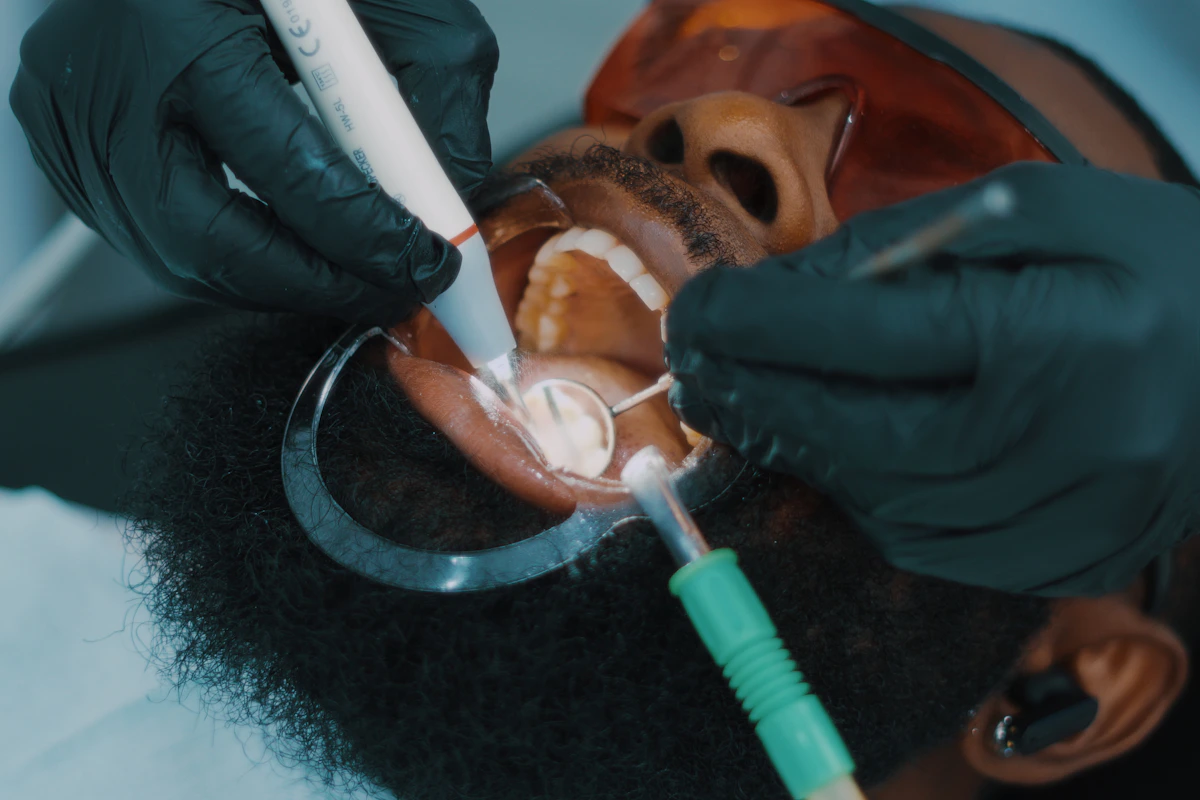
Scaling and Polishing in Lagos: 9 Honest Facts

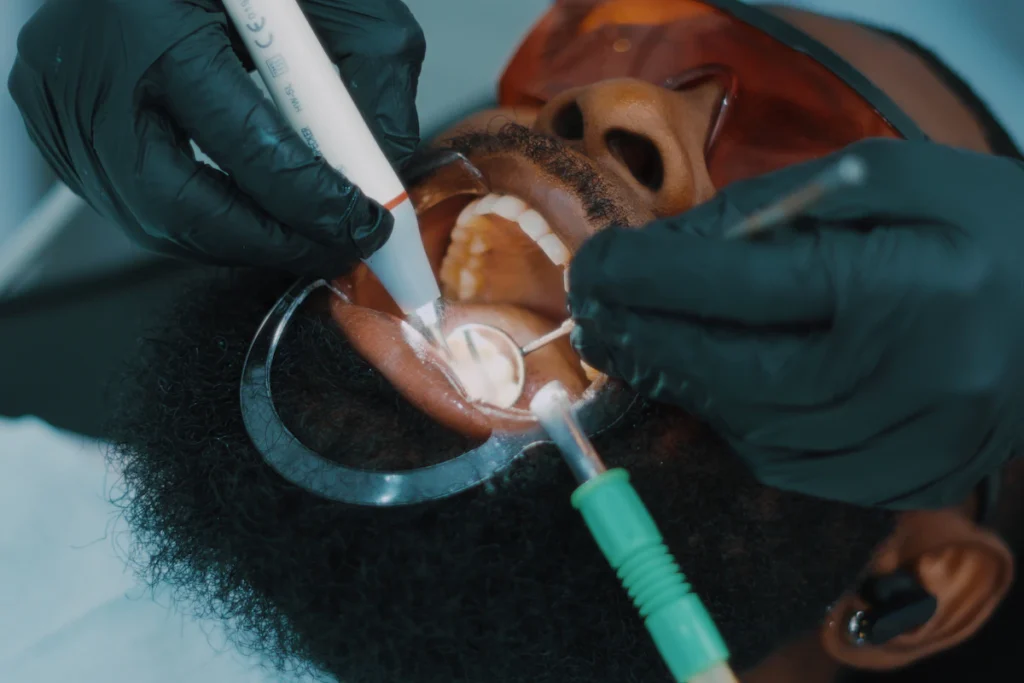
Scaling and polishing in Lagos is a professional cleaning that removes hardened deposits and surface stains that ordinary brushing cannot remove. It can improve gum health and make the mouth feel cleaner, but it is not the same as teeth whitening.
This guide explains what happens, whether it hurts, how often it may be needed and why an examination matters before treatment.
1. Scaling removes plaque and hardened tartar
Plaque is a soft film of bacteria that forms on teeth. Brushing and interdental cleaning remove much of it, but plaque that remains can harden into calculus, commonly called tartar. Once hardened, it cannot be safely brushed away at home.
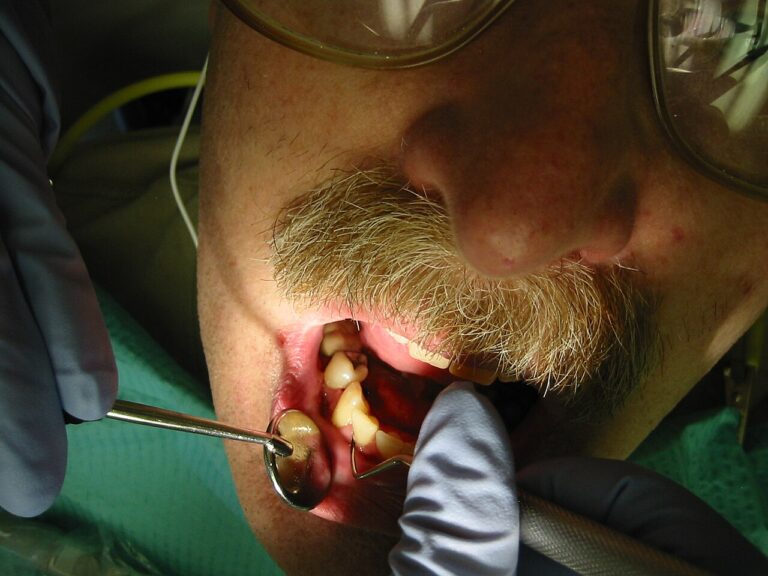
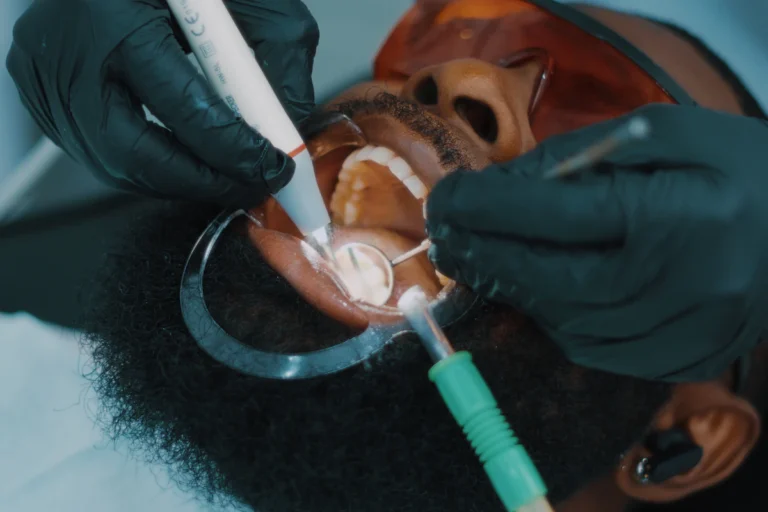
During scaling and polishing in Lagos, a dental professional uses instruments to remove deposits from tooth surfaces and around the gumline. Polishing may then reduce selected surface stains and leave the teeth feeling smoother.
2. Cleaning is not the same as whitening
Scaling can reveal the natural colour hidden beneath tartar or stains from tea, coffee, tobacco and some foods. It does not bleach the internal colour of teeth. If you want a lighter shade after your mouth is healthy, ask about suitable whitening options.
Be cautious of anyone promising dramatic whitening from routine cleaning alone. The main purpose is health, not an artificial shade.
3. Does scaling and polishing hurt?
Many people feel vibration, water spray, scraping sensations or mild sensitivity rather than pain. Discomfort is more likely when gums are inflamed, roots are exposed, deposits are heavy or teeth are already sensitive.
Tell the clinician if you are uncomfortable. The approach can be adjusted, the visit can be divided into shorter sessions, and local anaesthetic may be considered when deeper cleaning is required. Read our detailed guide: is scaling and polishing painful?
4. Bleeding gums are a warning sign, not a reason to avoid care
Inflamed gums may bleed during brushing or cleaning. This often reflects plaque-related gingivitis, although other conditions and medicines can contribute. Avoiding cleaning because of bleeding allows deposits to remain.
A professional assessment can identify the cause and show you how to clean more effectively at home. Persistent bleeding, swelling, gum recession, loose teeth or bad breath deserves proper evaluation.
5. Routine cleaning and deep periodontal cleaning differ
A routine scale and polish is generally for deposits around teeth in a mouth without advanced gum disease. Periodontal treatment may be needed when there are deep pockets, attachment loss or deposits below the gumline.
Deeper treatment may take more time, require anaesthetic and involve several areas or visits. Calling every procedure “washing the teeth” can hide important differences, so ask what diagnosis you have and what treatment is recommended.
6. How often should you have scaling and polishing in Lagos?
There is no perfect interval for everyone. Timing depends on how quickly you build calculus, your gum health, smoking, diabetes, braces, previous periodontal disease, cleaning technique and other risks.
Some patients benefit from shorter recall intervals; others with stable health may need treatment less often. Your dentist or hygienist should recommend a personalised schedule after examining your mouth rather than selling an automatic package.
7. What to expect during the appointment
The visit usually begins with a review of symptoms, medical history and medicines. The clinician examines the teeth and gums and may measure gum pockets or recommend imaging when it is clinically justified.
Ultrasonic instruments can use rapid vibration and water to loosen deposits. Hand instruments may refine areas between teeth or below the gumline. Polishing is selective, not compulsory on every surface. At the end, you should receive advice on brushing, interdental cleaning and relevant risk factors.
8. Mild sensitivity afterward can occur
Teeth may feel temporarily sensitive, especially when thick deposits had covered exposed root surfaces. Inflamed gums can also feel tender for a short time. Use a soft brush, continue gentle cleaning and follow the clinician’s instructions.
Contact the clinic if pain is severe, swelling develops, bleeding will not stop or symptoms worsen instead of improving. Cleaning does not cause healthy teeth to become loose; sometimes removing heavy calculus reveals mobility that existing gum disease had hidden.
9. Fees require an individual assessment
Dovers Dental does not publish exact treatment prices as company policy. The fee depends on the amount and location of deposits, gum condition, whether routine or periodontal treatment is needed, and how many visits are appropriate.
A genuine quote should follow an assessment. The cheapest advertised cleaning may not include the treatment your gums actually require.
A relatable Lagos example
Consider an illustrative example. A Lagos office worker notices bleeding while brushing and dark deposits behind the lower front teeth. He has delayed care because he believes cleaning will create spaces between his teeth.
After examination, the clinician explains that the visible “spaces” may appear when tartar and swollen gum tissue are removed; the cleaning is revealing the true tooth contours rather than cutting away tooth structure. He receives scaling and polishing in Lagos plus practical instruction for cleaning the crowded area.
How to prepare
- Tell the clinic about diabetes, pregnancy, heart conditions, bleeding disorders and current medicines.
- Describe sensitivity, bleeding, loose teeth or previous difficult cleanings.
- Brush normally before the visit; do not use harsh home remedies.
- Ask whether the planned treatment is routine cleaning or periodontal therapy.
- Request clear aftercare instructions and a personalised recall interval.
Common questions about scaling and polishing in Lagos
Can scaling damage enamel?
Correctly performed professional scaling is designed to remove deposits, not enamel. Untrained scraping or abrasive DIY methods can injure teeth and gums, so treatment should be provided by qualified dental professionals.
Will spaces appear after cleaning?
Heavy tartar and swollen gums can fill natural spaces. When deposits are removed and inflammation settles, spaces may become more visible. This is not evidence that the cleaning created the disease.
Can I remove tartar at home?
No. Home scalers, pins, blades or sharp objects can damage enamel, roots and gums and may introduce infection. Daily cleaning prevents new plaque, but hardened tartar needs professional removal.
Does mouthwash replace scaling?
No. Mouthwash cannot remove hardened calculus. It may have a limited supporting role when recommended, but mechanical cleaning and professional care remain essential.
What if I have braces?
Braces create extra plaque-retention areas. You may need tailored brushing tools, interdental cleaning and a recall schedule based on your risk.
Where can I book scaling and polishing in Lagos?
You can arrange an examination through the Dovers Dental Clinic website. The team can explain what your gums need and provide a personalised quote.
Daily care after professional cleaning
- Brush twice daily with fluoride toothpaste and a soft brush.
- Clean between teeth every day with floss or an appropriate interdental brush.
- Spit after brushing rather than rinsing vigorously.
- Avoid tobacco and reduce frequent sugary drinks.
- Attend reviews at the interval recommended for your risk.
Good scaling and polishing in Lagos should combine careful diagnosis, professional deposit removal and realistic home-care advice. The long-term result depends on what happens every day after the appointment.
Trusted sources
Reviewed by Dr Ola Adebayo.
This article is for general education and does not replace an examination, diagnosis or personalised dental advice.
For preventive cleaning tailored to your gum health, explore scaling and polishing at Dovers Dental.