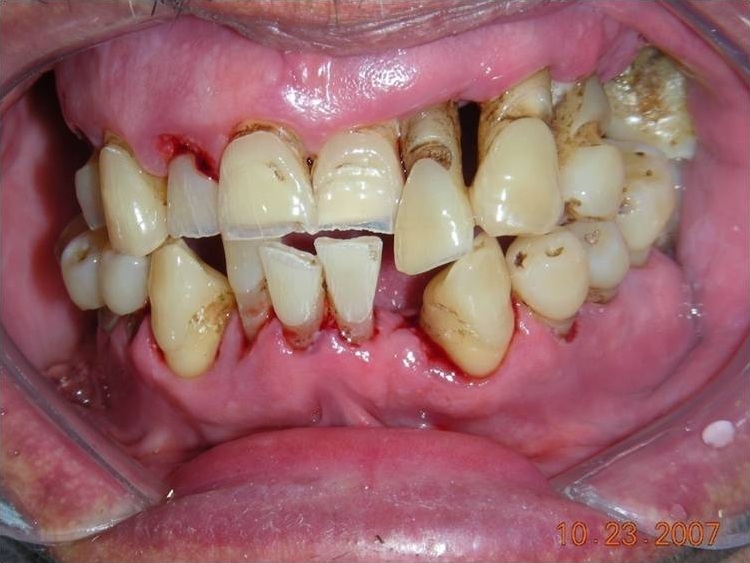
Ozempic and Oral Health: 8 Important Facts for Lagos Patients
Ozempic and oral health are increasingly discussed as more people use semaglutide and other GLP-1 medicines for type 2 diabetes or weight management. These medicines can be valuable, but nausea, vomiting, reduced food intake and dry mouth may indirectly affect the teeth and gums.
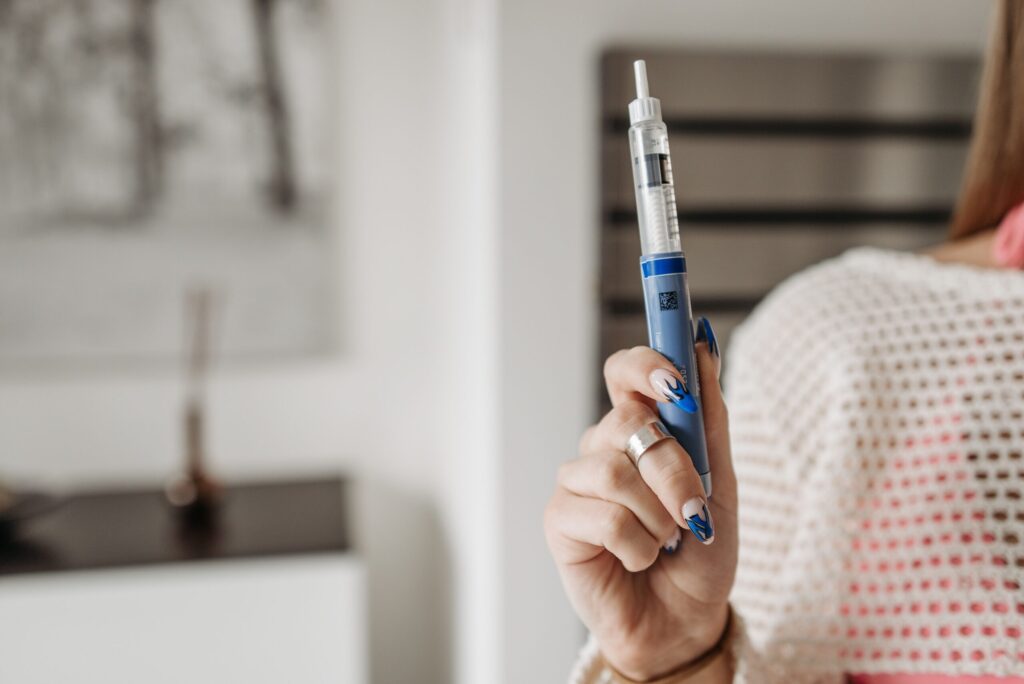
Do not stop or change a prescribed medicine because of a dental symptom. Speak with the prescribing clinician and tell your dentist what you take, why you take it and whether you have ongoing side effects.
What is Ozempic?
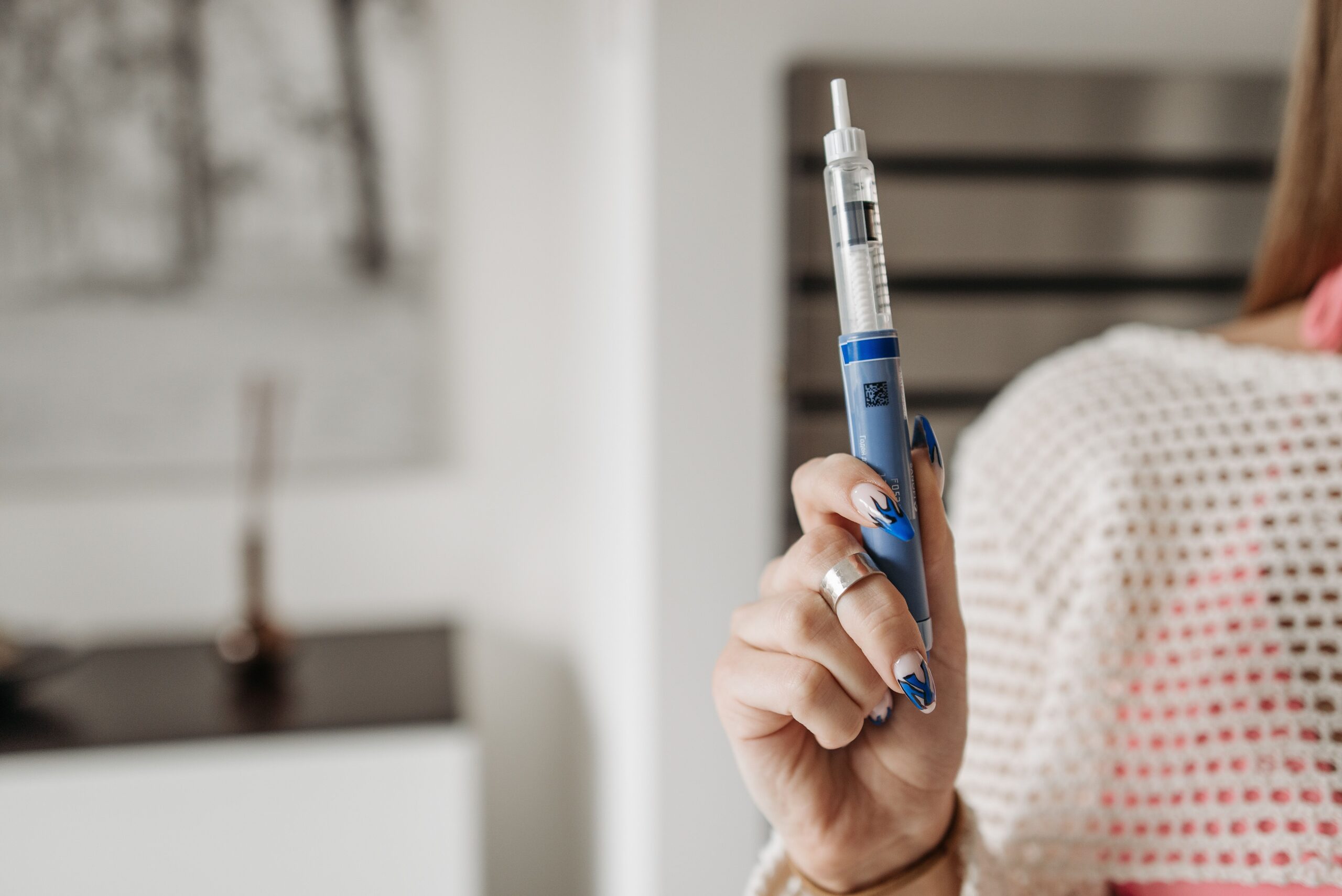
Ozempic is a brand of semaglutide used for type 2 diabetes. Semaglutide is also marketed under other brand names and formulations for different approved uses. It belongs to the GLP-1 receptor agonist group. Similar medicines include liraglutide and tirzepatide, although they are not identical.
8 Ozempic and oral health facts
1. Dry mouth can increase oral risk
Saliva lubricates the mouth, neutralises acids and helps protect teeth. The American Dental Association lists GLP-1 receptor agonists among medicines that may contribute to dry mouth. Persistent dryness can increase discomfort, bad breath and decay risk.
2. Vomiting exposes teeth to acid
Nausea and vomiting are recognised semaglutide side effects. Stomach acid can soften enamel. After vomiting, rinse with water or a fluoride mouth rinse if advised, and wait about an hour before brushing. Brushing immediately can rub softened enamel.
3. Reflux may irritate the mouth
Heartburn or reflux can bring acid into the mouth, contributing to sensitivity and enamel wear. Frequent reflux deserves medical review rather than only dental treatment.
4. Bad breath may have several causes
Dry mouth, reflux, reduced eating, dehydration, gum disease and tongue coating can all affect breath. “Ozempic breath” is not a precise diagnosis. A dentist should check persistent bad breath rather than assuming the medicine is the only cause.
5. Diabetes itself affects oral health
People taking Ozempic for diabetes may already have increased gum-disease risk, especially when blood glucose is poorly controlled. Improved diabetes management can support health, so medication benefits and side effects must be considered together.
6. Reduced appetite can change routines
Some people sip sweet drinks, suck sweets for nausea or eat small snacks repeatedly. Frequent sugar and acid exposure matters more to teeth than the size of a meal. Choose water between meals and discuss persistent nausea with the prescriber.
7. Your dentist needs the full medication history
Tell the dental team about Ozempic, Wegovy, Rybelsus, Mounjaro, Zepbound or any similar medicine. Include dose timing, diabetes control, nausea, vomiting and other medicines. This supports safe treatment planning and communication with your doctor.
8. Online products can be risky
The US FDA has warned about unapproved and improperly compounded GLP-1 products and dosing errors. Obtain prescription medicines through legitimate healthcare channels. A dentist cannot verify the safety of an unknown injection bought online.
Practical mouth-care steps
- Sip water regularly unless your medical team has restricted fluids.
- Brush twice daily with fluoride toothpaste and clean between teeth.
- Spit after brushing rather than rinsing immediately.
- Use sugar-free gum if medically suitable to stimulate saliva.
- Limit frequent acidic or sugary drinks.
- After vomiting, rinse and delay brushing for about an hour.
- Seek advice for persistent dry mouth, ulcers, sensitivity or bad breath.
A relatable Lagos scenario
Imagine someone who starts semaglutide under medical supervision and experiences nausea. To settle the feeling, they sip a sweet drink throughout the workday and later notice dry mouth and sensitivity. In this illustrative composite, the risk comes from several connected factors, not proof that Ozempic directly “ruined” the teeth. A medical review, dental assessment and safer hydration routine are more useful than stopping treatment alone.
When to contact your doctor
Contact the prescriber about side effects that are severe, persistent or affecting eating and drinking. Seek urgent medical care for severe allergic symptoms, intense or lasting abdominal pain, inability to keep fluids down or signs of significant dehydration. Follow local medical advice.
When to see a dentist
Book a dental assessment for persistent dry mouth, new sensitivity, enamel wear, mouth ulcers, bleeding gums, bad breath or pain. Swelling, fever, severe toothache or difficulty swallowing needs urgent care. Read our guide to finding an emergency dentist in Lagos.
Trusted sources on Ozempic and oral health
Review current NHS semaglutide guidance, the ADA overview of dry mouth, and the FDA warning about unapproved GLP-1 products.
Ozempic and oral health care at Dovers Dental
At Dovers Dental Clinic in Lekki Phase 1, patients can discuss medicine-related dryness, sensitivity, erosion and gum concerns without judgement. Exact fees are not publicly displayed as a universal price; you receive a personalised quote after assessment.
For an Ozempic and oral health review, book an appointment or contact the clinic.
Frequently asked questions
Does Ozempic directly cause tooth decay?
A direct cause-and-effect claim is too simple. Dry mouth, vomiting, reflux, diet changes, diabetes and oral hygiene may combine to change risk.
Should I stop Ozempic before dental treatment?
Do not stop it on your own. Tell the dentist and follow instructions from the prescribing clinician and dental team, especially before sedation or surgery.
Reviewed for general dental accuracy by Dr Ola Adebayo. This article is general education, not medical advice. Do not start, stop or change semaglutide or another medicine without the prescribing clinician.