Tooth Extraction Aftercare in Lagos: 9 Essential Recovery Steps

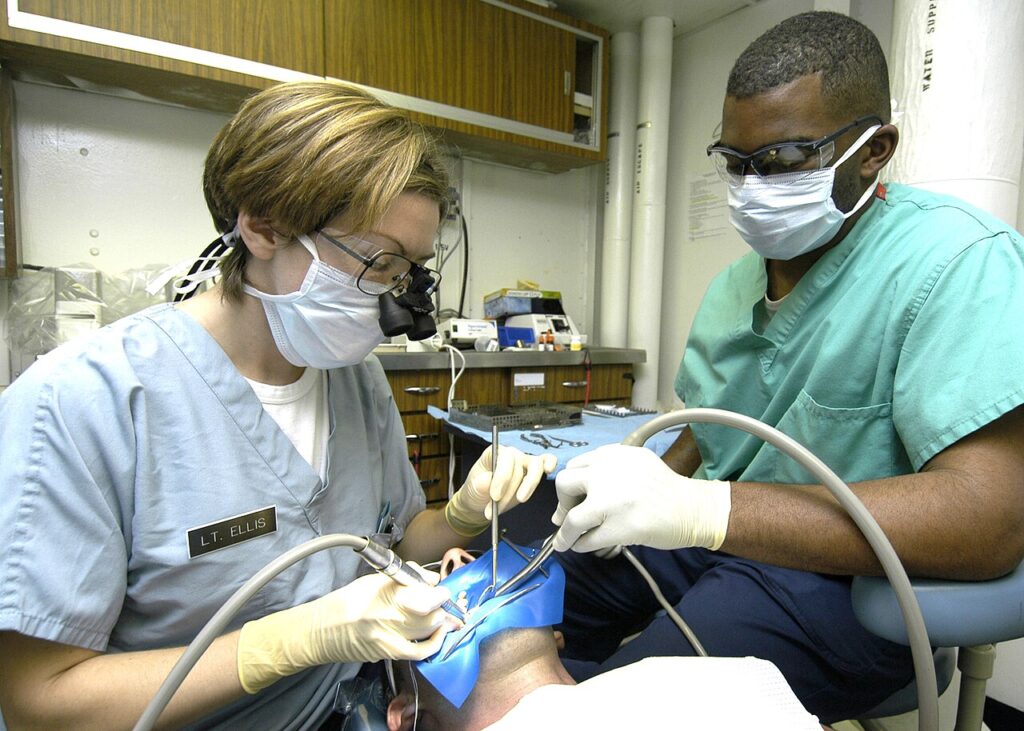
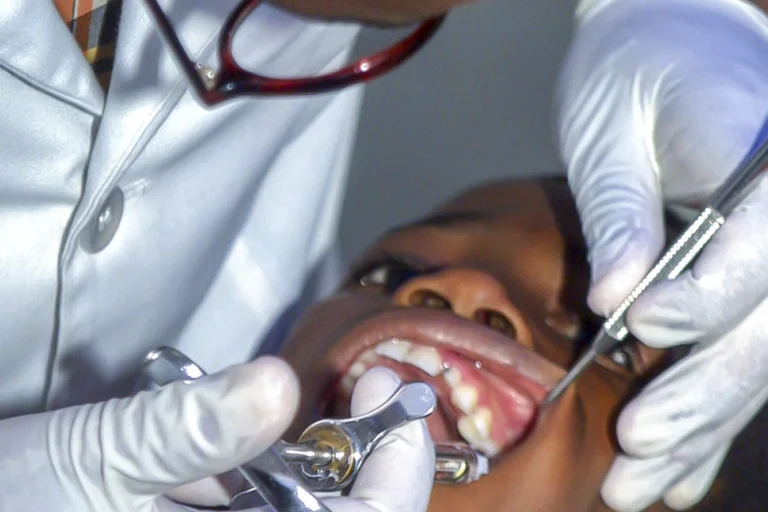
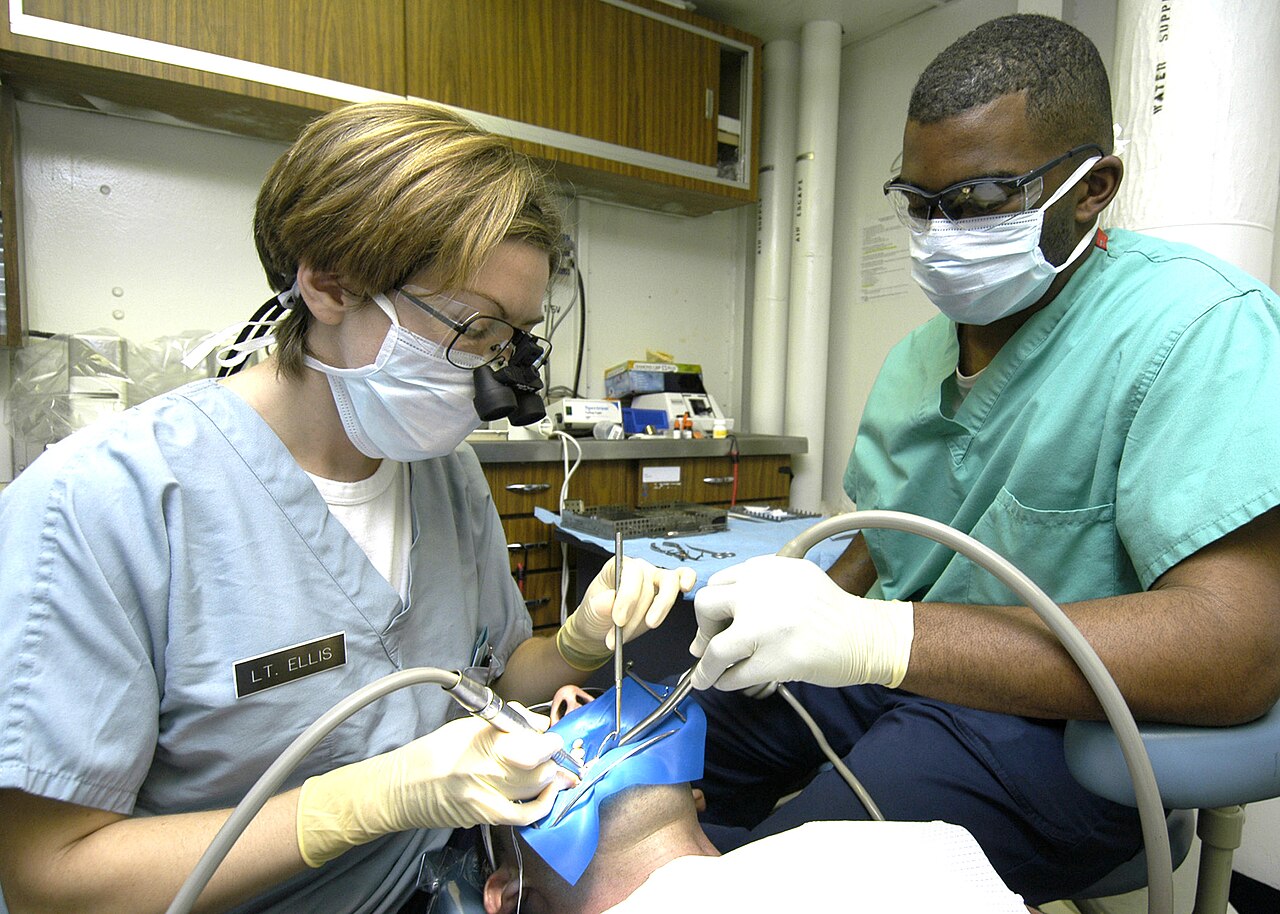
Tooth extraction aftercare in Lagos starts the moment you leave the dental chair. Having a tooth pulled is one of the most common dental procedures in Lagos — but what happens after you leave the clinic matters just as much as the extraction itself. If you have recently had a tooth extraction in Lagos or you are preparing for one, following the right tooth extraction aftercare steps will help you heal faster, avoid complications like dry socket, and get back to normal life quickly. This guide explains the practical steps that protect the blood clot and help the socket heal.
What to expect from tooth extraction aftercare in Lagos
Right after your dentist removes the tooth, you will be asked to bite down on a gauze pad for 30–45 minutes. This pressure helps a blood clot form in the socket. Protecting that clot is the most important part of early tooth extraction aftercare in Lagos. It is completely normal to experience:
- Mild to moderate bleeding for the first few hours
- Swelling around the jaw and cheek
- Some discomfort or throbbing once the local anaesthetic wears off (usually after 2–4 hours)
- A slightly metallic taste in your mouth
These are usually signs that healing has begun. Tooth extraction aftercare in Lagos should still follow the personal instructions given by your dentist. If bleeding is heavy or does not slow down after 1–2 hours of firm pressure, contact your dentist immediately.
Tooth extraction aftercare in Lagos: the first 24 hours
The first 24 hours are the most important window for tooth extraction aftercare. Here is what to do — and what to avoid:
Do:
- Rest. Avoid strenuous activity. In Lagos traffic and heat, it is tempting to rush back to your schedule, but physical exertion raises blood pressure and can dislodge the clot.
- Keep the gauze in place. Replace it as needed if it becomes soaked. Folded clean tissue or a new piece of gauze works fine.
- Apply an ice pack. Wrap ice or a cold sachet in a cloth and apply to your cheek in 20-minute intervals for the first 6 hours. This reduces swelling significantly.
- Eat soft foods. Pounded yam, soft ogi (pap), mashed potatoes, eggs, yoghurt, or blended soups are ideal. Avoid anything hard, crunchy, or chewy on the extraction side.
- Take prescribed medication. Use only the medicine recommended for you and follow the label or prescription. Antibiotics are not routine after every extraction; take them only when your dentist has prescribed them for a specific reason.
Do Not:
- Do not smoke. Smoking — including through a cigarette or shisha — creates suction that can dislodge the blood clot. This is the leading cause of dry socket.
- Do not drink through a straw. Same reason — the suction is dangerous in the first 48–72 hours.
- Do not rinse vigorously. Forceful rinsing or spitting can pull the clot out before it is set.
- Do not drink hot liquids or alcohol. These increase blood flow to the area and prolong bleeding.
- Do not touch the socket. No poking with your tongue or finger, no matter how tempted you feel.
Tooth extraction aftercare in Lagos from day two
From the second day onwards, your focus shifts from protecting the clot to keeping the area clean while letting it heal.
Day 2–3: Swelling often peaks around day two or three. This is normal. Continue with the ice pack on day two; on day three, switch to warm compresses to help with jaw stiffness. You may notice a whitish or yellowish film over the socket — this is granulation tissue forming as the body heals, not infection. Infection typically looks red, feels hot, and is accompanied by worsening pain or fever.
Day 4–5: Most of the swelling should begin to subside. Gradually reintroduce softer solid foods — soft rice, boiled yam, fish without bones, soft beans. Still avoid the extraction side.
From 24 hours onward: Begin gentle salt-water rinses — dissolve half a teaspoon of salt in a cup of warm water and swish gently after meals. Do not spit forcefully; tilt your head to let the water run out. This keeps the area clean without disturbing healing.
After 7–10 days, most patients feel largely normal. The socket takes about 3–4 weeks to fully close on the surface, and the underlying bone takes 3–6 months to completely remodel.
What Is Dry Socket and How Do You Know You Have It?
Dry socket is a painful complication that can occur even when tooth extraction aftercare in Lagos has been followed carefully — and the most painful. It happens when the blood clot is dislodged or dissolves before the socket has healed, leaving the bone and nerve endings exposed.
Signs of dry socket include:
- Severe, throbbing pain beginning 3–5 days after extraction (rather than improving)
- Pain that radiates to your ear, eye, or neck
- A visible empty socket — no dark clot, just whitish bone
- Bad breath or an unpleasant taste
Dry socket is not an infection, but it is extremely uncomfortable and needs prompt treatment. Contact Dovers Dental Clinic in Lekki Phase 1 as soon as possible. Our team will clean the socket and place a medicated dressing to provide almost immediate pain relief. Please do not attempt to treat dry socket at home without professional guidance.
Foods to Eat and Avoid After a Tooth Extraction in Lagos
Lagos cuisine is rich, flavourful, and often requires serious chewing — a real challenge when recovering from an extraction. Here is how to eat well while keeping your socket safe:
Safe options:
- Pap (ogi) and akamu
- Soft moi moi
- Blended egusi or vegetable soup (drink it rather than chewing the leaves)
- Mashed yam or yam porridge (well-cooked and soft)
- Custard, yoghurt, soft custard biscuits soaked in milk
- Eggs (scrambled or soft-boiled)
- Ice cream — the cold can even help with swelling
Avoid for at least one week:
- Fried fish with bones, pomo (cow skin), snail, or tough proteins
- Popcorn, peanuts, chin chin — small pieces can lodge in the socket
- Very spicy pepper soups or stews in the first few days
- Carbonated drinks (the bubbles can disturb the healing clot)
When tooth extraction aftercare in Lagos needs a dentist
Most extractions heal without problems, but contact your dental team if you notice:
- Heavy bleeding that does not slow after 1–2 hours of firm pressure
- Pain that gets worse after day 3 instead of improving
- Fever above 38°C
- Swelling that increases after day 3
- Numbness or tingling that persists beyond the anaesthetic duration
- Pus or discharge from the socket
These symptoms do not necessarily mean something has gone seriously wrong, but they warrant a check-up to rule out infection or dry socket early — before things become more complicated to treat.
For answers to other common questions, visit our Frequently Asked Questions page or browse our full range of dental services in Lagos.
Getting professional tooth extraction aftercare in Lagos
Good tooth extraction aftercare in Lagos includes contacting the clinic that removed the tooth if recovery is not following the expected pattern. Dovers Dental Clinic can review persistent bleeding, worsening pain, swelling or suspected dry socket. Visit the main clinic website to request an appointment. The dentist will examine the socket before recommending treatment, and any fee is explained after assessment rather than published as a fixed price.
Trusted clinical sources
For further reading, see UCLH tooth-extraction aftercare instructions, Guy’s and St Thomas’ guidance on dental surgery recovery and dry socket, and the American Dental Association acute dental pain guideline.
Medically reviewed by Dr Ola Adebayo.
Your own dentist’s instructions take priority because the type of extraction and your medical history matter.
Severe or worsening pain, bleeding or swelling after an extraction should be reviewed. Book a follow-up assessment at Dovers Dental.