Dental Crown in Lagos: Types, Procedure and Care
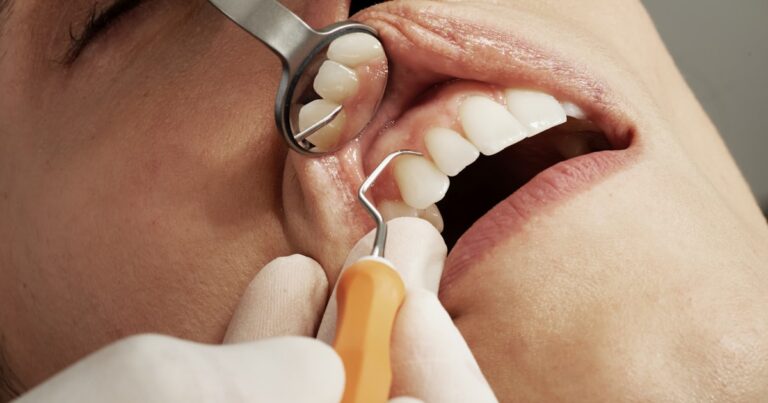
A dental crown in Lagos can rebuild a tooth that is badly broken, weakened by a large filling or treated with a root canal. Many people call it a “cap” because it covers the visible part of the tooth. It should protect the tooth, restore comfortable chewing and look appropriate beside the surrounding teeth.
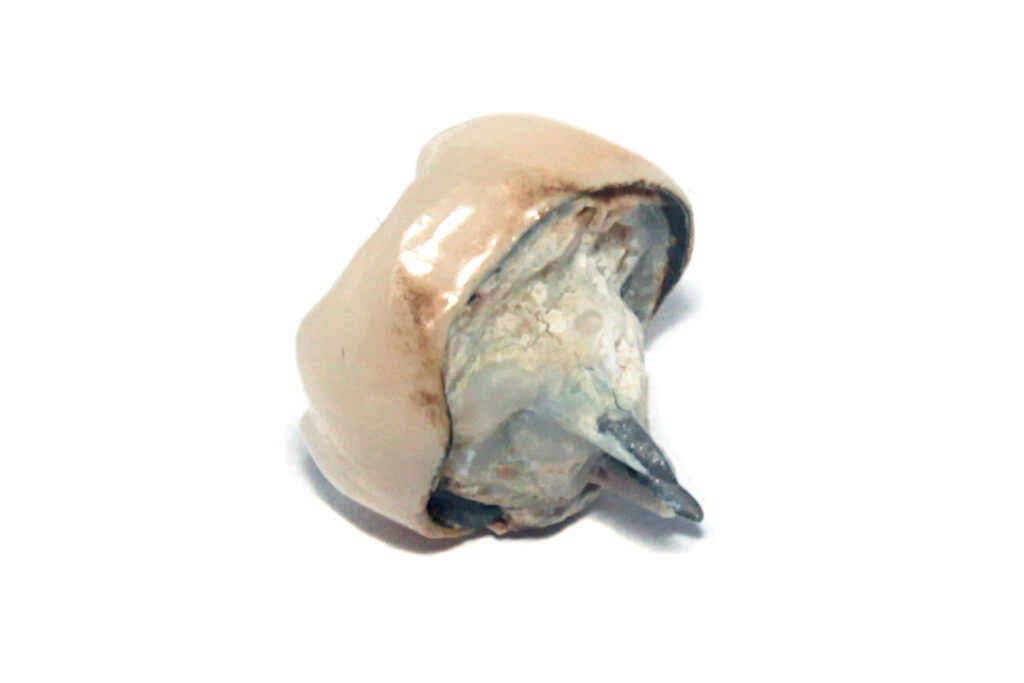
Being told you need a crown can feel like a big decision. This guide explains when one is genuinely useful, the materials available, what the appointments involve, how cost is determined and how to look after the tooth afterwards.
What Is a Dental Crown?
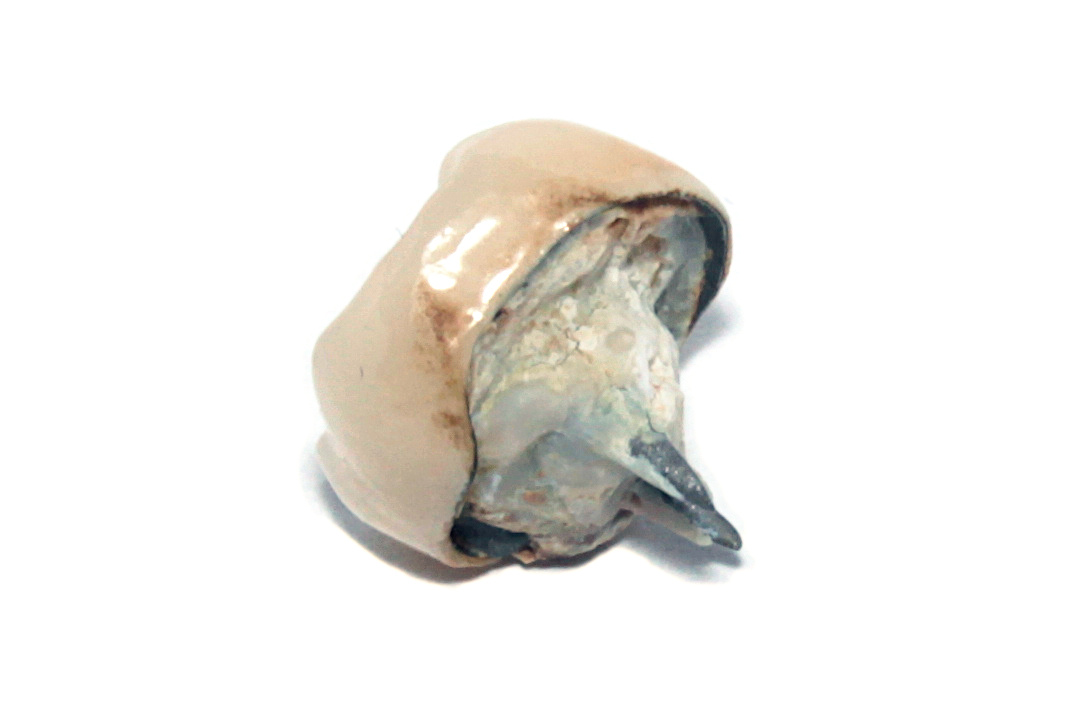
A crown is a custom-made restoration that fits over a prepared natural tooth. Unlike a filling, which replaces a smaller missing area, a crown covers most or all of the visible tooth to improve strength, shape and function. A crown can also be attached to a dental implant to replace a missing tooth.
Placing a crown requires removal of some tooth structure, so it should be recommended for a clear clinical reason. A dentist first checks whether a filling, onlay or another more conservative option can work.
When Might You Need a Dental Crown?
- A tooth has a large fracture or too little structure left for a reliable filling.
- A large old filling has weakened the surrounding walls.
- A root-canal-treated tooth needs protection from fracture.
- Severe wear has changed the tooth’s height or bite.
- A crown is needed to restore a dental implant or support a bridge.
- A badly shaped or discoloured tooth cannot be managed well with a more conservative treatment.
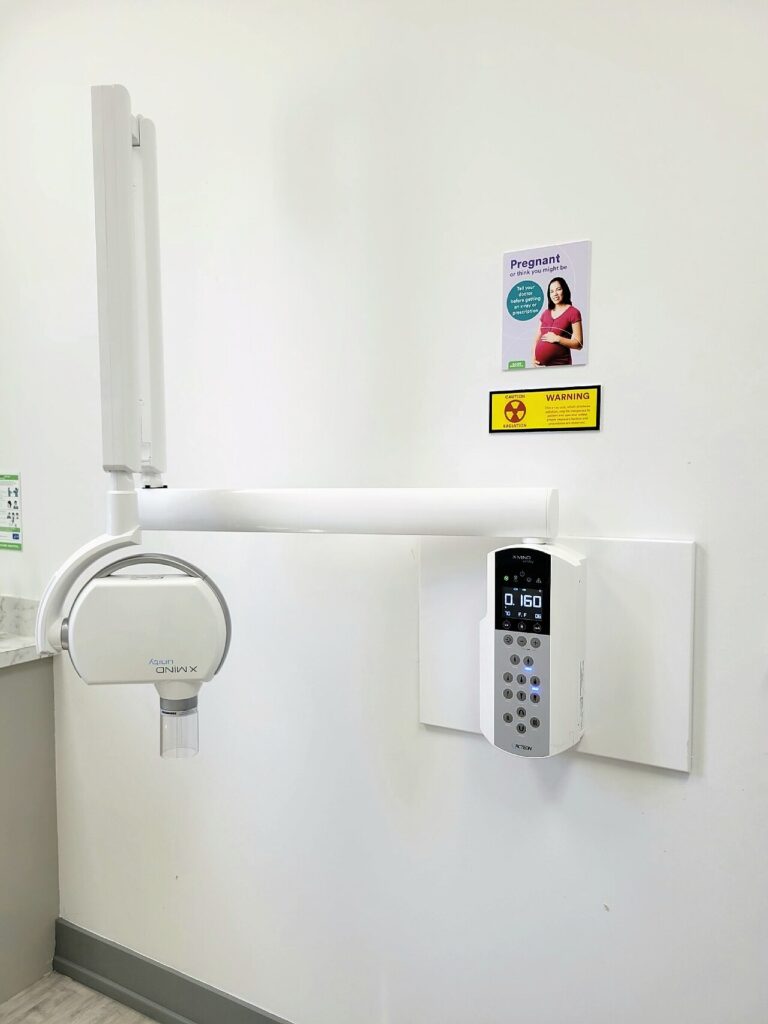
Not every cracked or root-treated tooth automatically needs the same restoration. The position of the tooth, remaining structure, bite and symptoms all matter. Ask the dentist to show you the problem on the tooth, photograph or X-ray and explain the alternatives.
Types of Dental Crown in Lagos
Zirconia crowns
Zirconia is tooth-coloured and strong, making it a common choice for back teeth and many front-tooth cases. Different zirconia formulations vary in strength and translucency, so material selection and laboratory quality matter.
All-ceramic crowns
Glass ceramics such as lithium disilicate can provide natural translucency and are often considered in visible areas. They are not automatically the best choice for every bite; the dentist must consider tooth position and available space.
Porcelain-fused-to-metal crowns
These have a metal substructure covered with tooth-coloured porcelain. They have a long clinical history and can be durable, though the metal may affect translucency or become visible near the gum if the gum recedes.
Metal crowns
Metal alloys can be durable and require relatively little thickness, but their colour limits their cosmetic appeal. They may still suit selected back teeth.
When choosing a dental crown in Lagos, ask what material is being proposed, why it fits your case and whether the laboratory work is included in the treatment plan.
What Happens During the Crown Procedure?
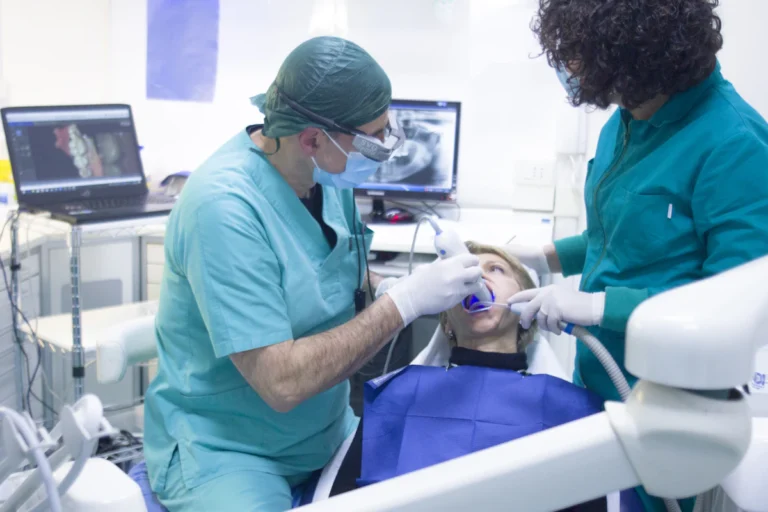
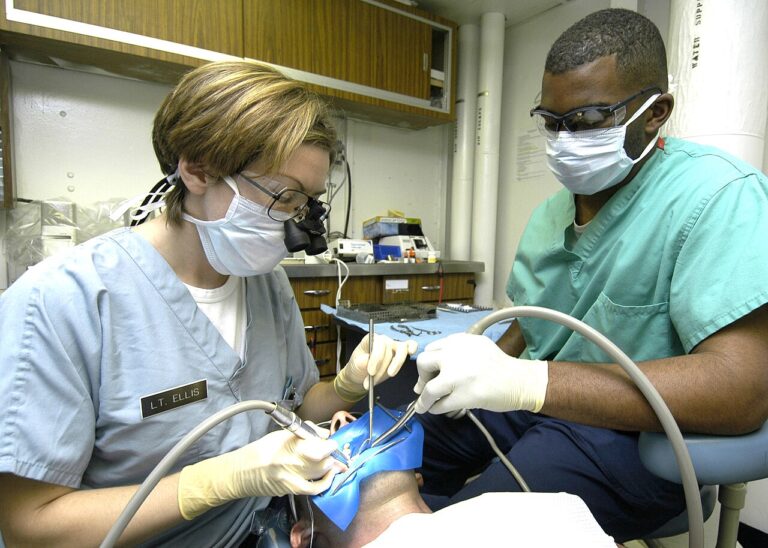
Getting a dental crown in Lagos usually involves careful preparation and a separate fit check.
- Assessment: the dentist examines the tooth, gums and bite and may take an X-ray. Decay, cracks or infection must be addressed first.
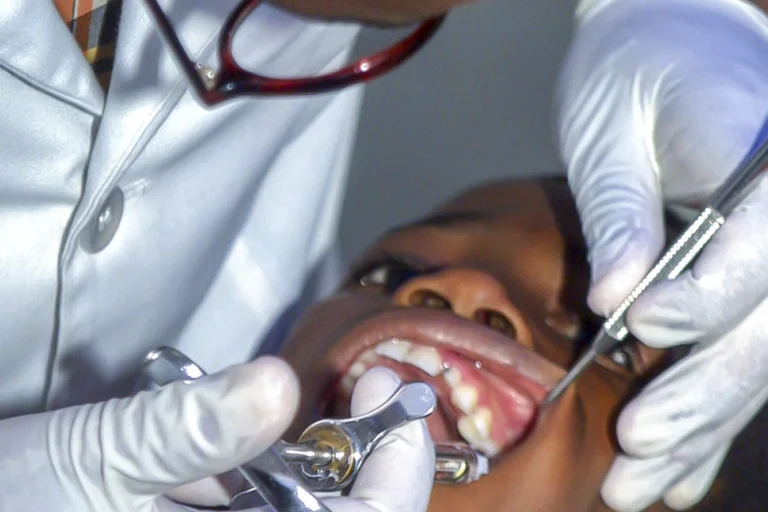
- Tooth preparation: local anaesthetic is used, damaged material is removed and the tooth is shaped to create room for the crown.
- Scan or impression: a digital scan or mould records the prepared tooth and the teeth around it.
- Temporary crown: when laboratory fabrication is required, a temporary protects the tooth while the final crown is made.
- Fit appointment: the final crown is checked for margins, contact, shape, shade and bite before it is cemented.
Some clinics can produce selected crowns more quickly with digital systems, while others use a dental laboratory. Speed matters less than diagnosis, fit, bite and a material suited to the case.
Does Getting a Crown Hurt?
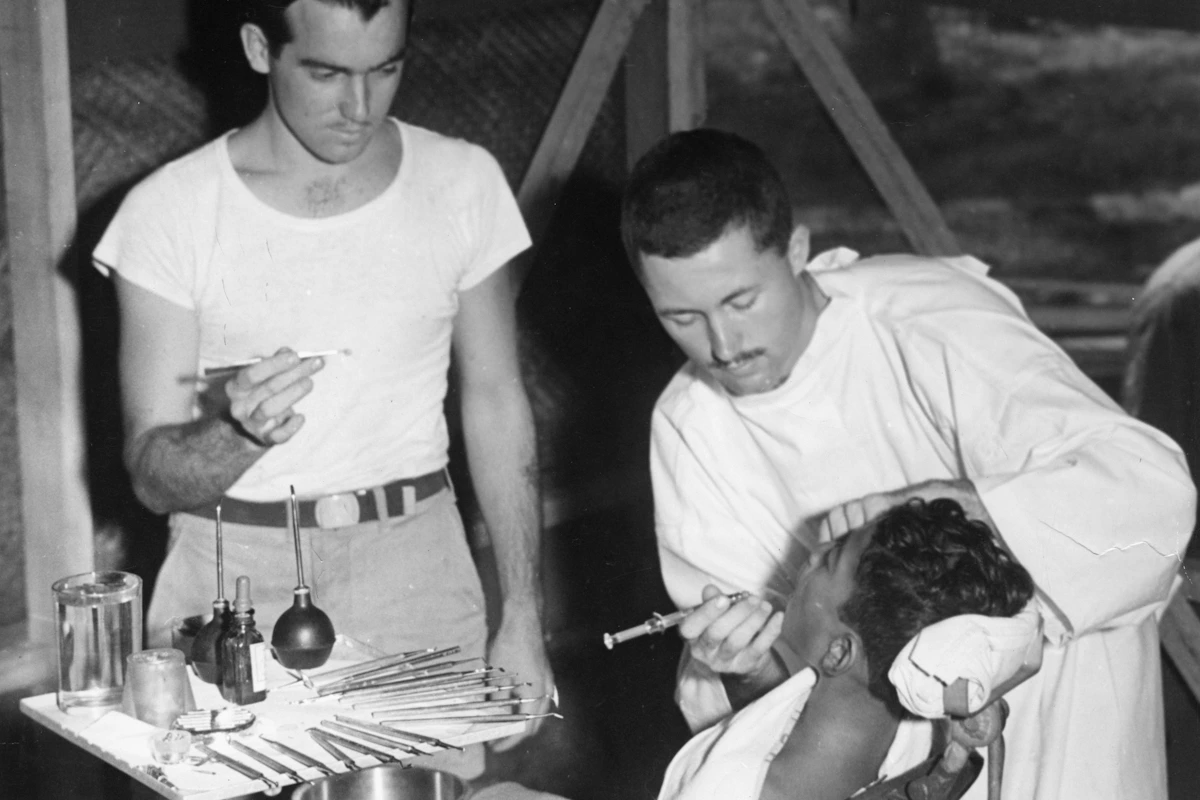
The preparation is normally carried out under local anaesthetic. You may feel pressure and vibration but should not feel sharp pain. The gum or tooth can be mildly tender afterwards, particularly if the tooth required extensive preparation.
Contact the clinic if pain grows stronger, wakes you at night, lasts after hot or cold drinks, or the temporary or final crown feels high when you bite. A crown should not be used to hide an untreated infection.
Dental Crown Cost in Lagos
The cost of a dental crown in Lagos depends on the material, tooth position, complexity, laboratory, scans or X-rays and whether the tooth needs a build-up or root canal first. A simple crown on a sound foundation is not the same treatment as rebuilding a heavily damaged tooth.
Dovers Dental Clinic does not publish one fixed price that could be misleading. After examination, you receive the recommended options and a personalised quote before treatment begins. You can review the crowns and bridges service or book an assessment.
How Long Does a Dental Crown Last?
No dentist can promise one exact lifespan. Many crowns serve for years, but longevity depends on remaining tooth structure, fit, bite force, grinding, hygiene, gum health and diet. The tooth underneath can still develop decay at the crown edge.
Regular examinations allow the dentist to check the margin, gum and bite. A night guard may be recommended if you clench or grind. Avoid using crowned teeth to crack ice, bones or packaging.
How to Care for a Crown
Daily cleaning is what helps a dental crown in Lagos protect the tooth for as long as possible.
- Brush twice daily with fluoride toothpaste, paying attention to the gum line.
- Clean between the teeth every day with floss or an interdental brush.
- Limit frequent sugary snacks and drinks.
- Attend the review schedule recommended for your oral health.
- Report movement, a bad taste, swelling, persistent sensitivity or pain on biting.
A crown cannot decay, but the natural tooth at its edge can. Bleeding when cleaning around it is not a reason to stop; it is a reason to improve gentle cleaning and arrange a gum assessment if it continues.
Temporary Crown Care
A temporary crown is designed to protect the prepared tooth, not to perform exactly like the final restoration. Avoid sticky foods and very hard chewing on that side. Clean carefully; your dentist may advise sliding floss out sideways so the temporary is not lifted.
If it comes off, keep it safe and contact the clinic. Do not attach it with household glue. The prepared tooth can move or become sensitive if left uncovered for too long.
Crown, Filling or Onlay: Which Is Better?
The best restoration preserves healthy tooth while providing enough strength. A smaller cavity may need a dental filling. A ceramic or composite onlay can cover weakened cusps without encasing the entire tooth. A crown may be more predictable when damage is extensive.
There is no responsible answer without an examination. If you are uncertain, ask what would happen if you delayed, how much healthy tooth each option removes and the main risks of each choice.
Frequently Asked Questions About Dental Crowns in Lagos
Is a crown the same as a cap?
Yes. “Cap” is the everyday term for a dental crown.
Do all root-canal-treated teeth need crowns?
No. The decision depends on the tooth, remaining structure and bite. Back teeth often need stronger cuspal protection, but your dentist should assess the individual case.
Can a crown fall off?
It can loosen if cement fails, decay develops underneath, or the tooth is overloaded. Keep the crown and arrange a prompt review.
Can I whiten a crown later?
Whitening does not change the colour of crown material. If whitening is planned, discuss the sequence before the shade is chosen.
Will I know the cost upfront?
Yes. Dovers provides a personalised quote after assessment and before treatment.
Book a Dental Crown Assessment in Lekki
Need a dental crown in Lagos or a second opinion on a damaged tooth? Book an appointment at Dovers Dental Clinic in Lekki Phase 1 or WhatsApp 0805 515 8148.
Trusted Sources
- American Dental Association: Dental crowns
- NHS: Dental treatments
- Leeds Teaching Hospitals NHS Trust: Crowns
Reviewed by Dr Ola Adebayo, Dovers Dental Clinic.
Last reviewed: 22 July 2026.
This article provides general information and does not replace a dental or medical examination, diagnosis or personalised treatment advice.