Is Scaling and Polishing Painful? 7 Honest Answers

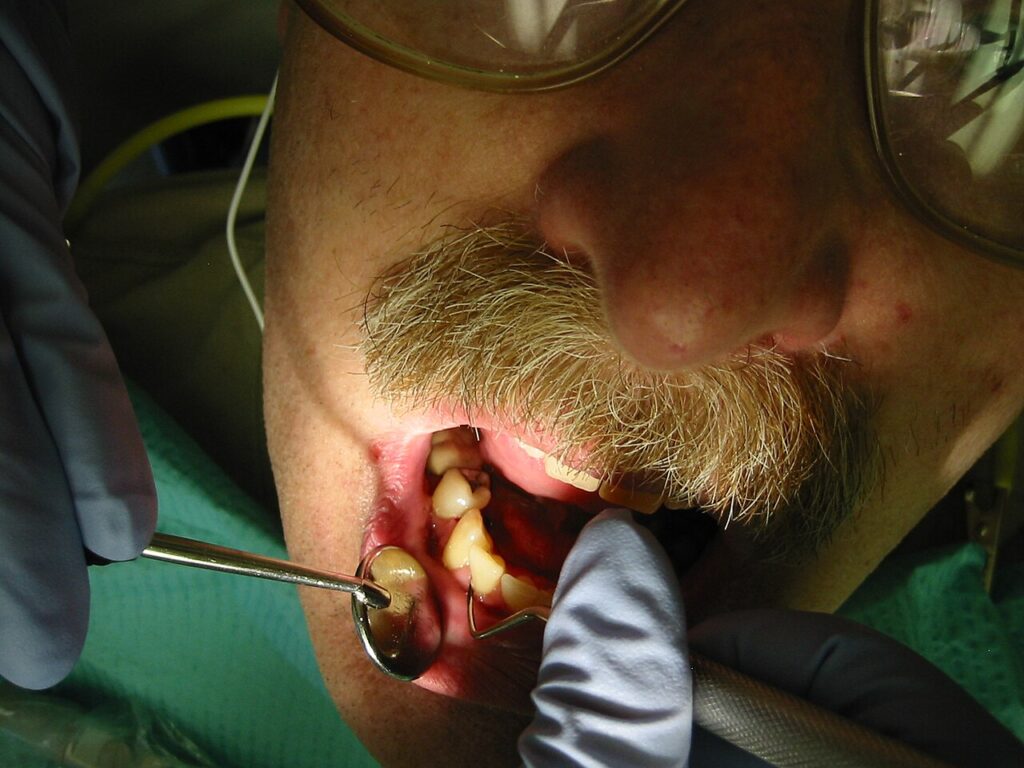
Is scaling and polishing painful? For many people, routine cleaning feels like vibration, water spray and scraping rather than pain. It can feel uncomfortable when gums are inflamed, teeth are sensitive, tartar is heavy or deeper cleaning is required. The honest answer depends on your gum health and the type of cleaning you need.
What happens during scaling and polishing?
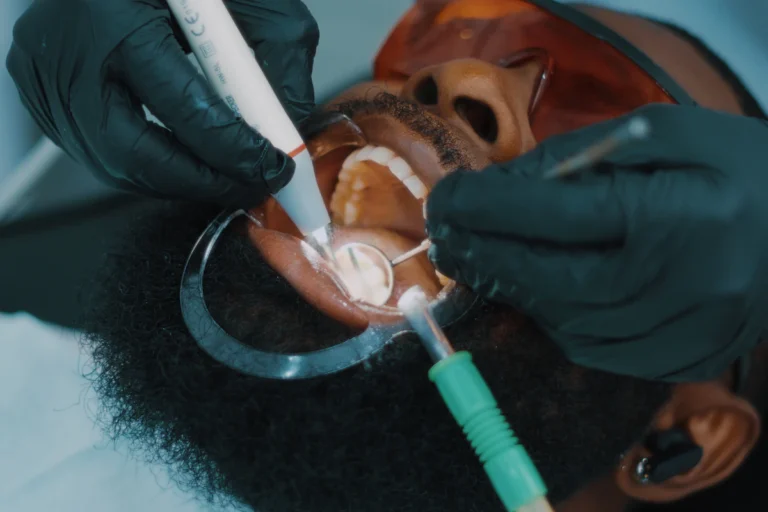
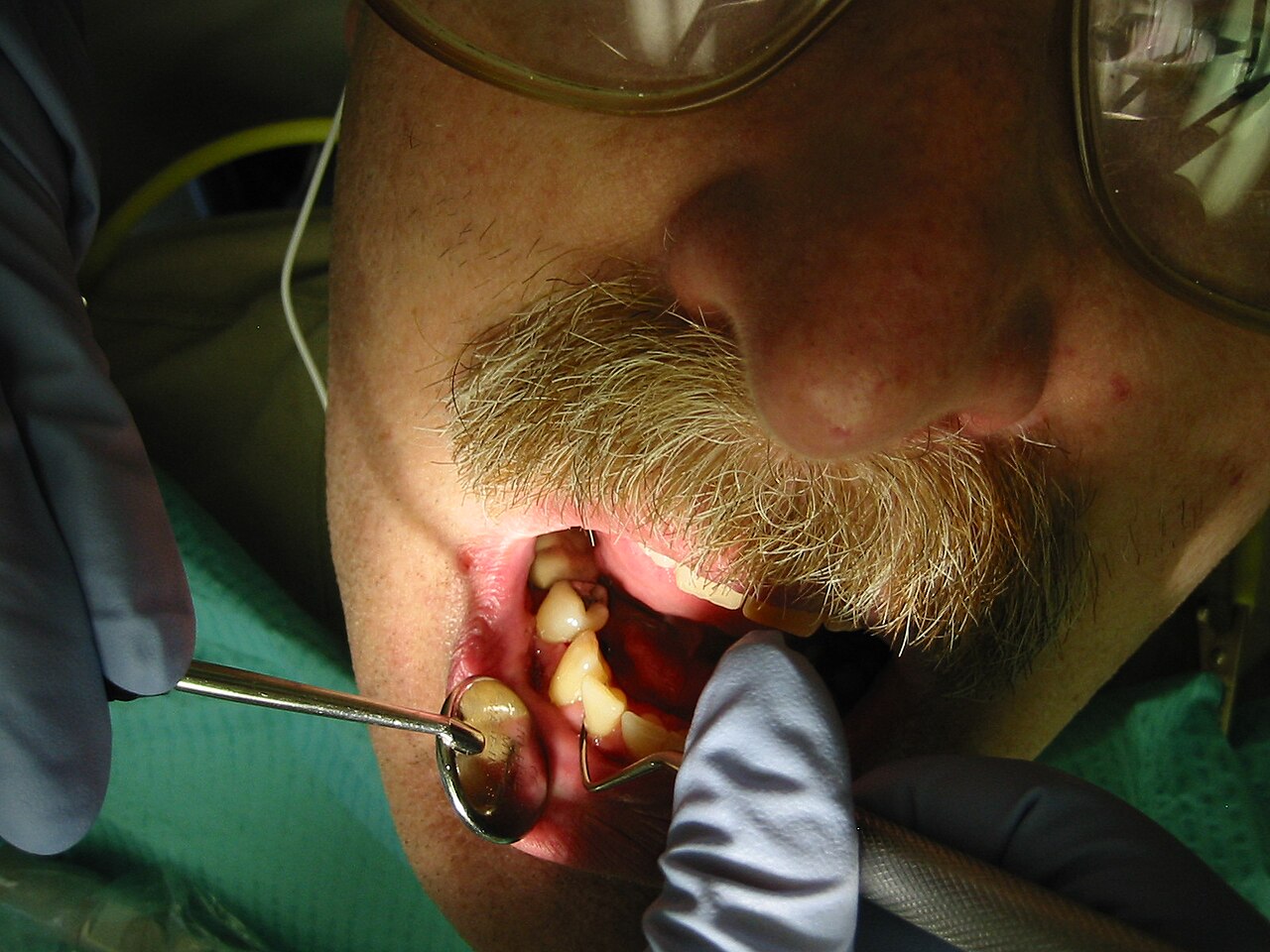
The dentist or hygienist first examines your teeth and gums. An ultrasonic scaler may be used to loosen tartar with gentle vibration and water. Hand instruments can remove deposits in areas that need more precision. Polishing then smooths selected tooth surfaces and removes some external stains.
Routine cleaning above the gumline is different from deeper periodontal treatment used for gum disease. If someone answers “is scaling and polishing painful?” without checking which procedure is planned, the answer may be misleading.
What does it usually feel like?
- Cool water and suction around the mouth
- Vibration or a light tapping sensation
- Brief sensitivity near exposed roots
- Pressure where tartar is firmly attached
- Temporary gum tenderness when the gums are inflamed
Tell the clinician if you need a break. You should not feel embarrassed about sensitivity or anxiety.
Why some people feel more discomfort
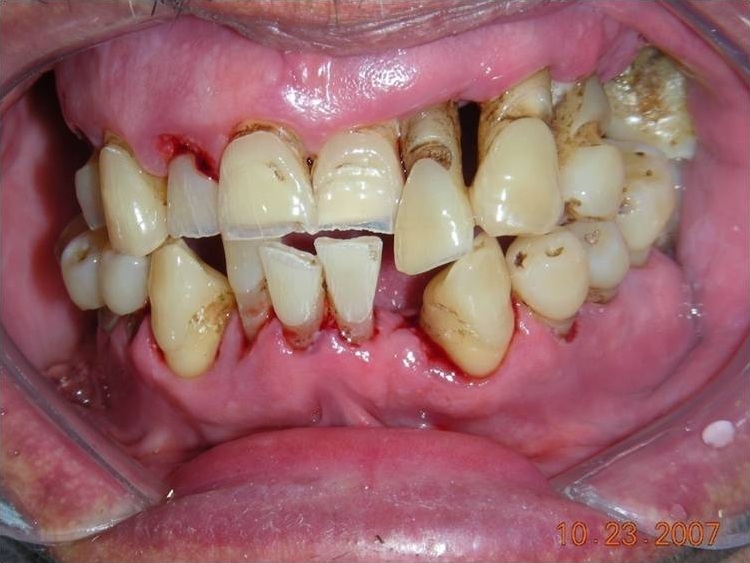
Is scaling and polishing painful when gums bleed easily? Inflamed tissue can be tender, so cleaning may feel sharper than it would around healthy gums. Other factors include exposed root surfaces, very sensitive teeth, large tartar deposits, infrequent cleaning, braces and deeper gum pockets.
Discomfort is not proof that cleaning has damaged the teeth. It may reveal inflammation or sensitivity that was already present.
Can the area be numbed?
For routine cleaning, numbing may not be necessary. For very sensitive areas or deeper periodontal instrumentation, the dental team may discuss topical numbing products or local anaesthetic. The choice depends on the examination and the amount of treatment required; it should not be promised automatically.
How to make the appointment easier
- Tell the clinic about sensitivity, anxiety, pregnancy and medical conditions.
- Mention medicines, especially blood thinners.
- Agree on a hand signal for breaks.
- Ask whether the cleaning can be divided into shorter visits if extensive treatment is needed.
- Use desensitising toothpaste consistently before the visit if your dentist recommends it.
What to expect afterwards
Mild tenderness, slight bleeding and temporary sensitivity can happen for a day or two, particularly when gums were inflamed. Brush gently with fluoride toothpaste and clean between the teeth as instructed. Choose lukewarm food and drinks if temperature sensitivity is noticeable.
Contact the clinic if pain is severe, swelling develops, bleeding will not settle or symptoms become worse instead of improving.
Does cleaning create gaps or loosen teeth?
No. Removing tartar can reveal spaces that were already present because swollen gums shrink as they become healthier, or because gum disease has damaged supporting tissue. Heavy tartar can also mask existing tooth mobility. Cleaning does not cut healthy enamel away when performed correctly.
How often should you have it done?
There is no responsible universal timetable. Someone with healthy gums and low tartar build-up may need a different interval from a smoker, a person with diabetes, someone wearing braces or a patient receiving periodontal maintenance. Your dentist should recommend an interval based on findings, not a sales package.
A relatable Lagos situation
Imagine postponing cleaning for several years because a friend said it was painful. Your gums now bleed during brushing and tartar is visible behind the lower front teeth. The first visit may be more sensitive because the gums are inflamed and deposits are heavy. Regular home care and an individual maintenance plan can make later visits easier. This is an illustrative situation, not a testimonial.
When “just cleaning” is not enough
Bleeding gums, persistent bad breath, gum recession, pus, loose teeth or deep pockets may indicate gum disease. You may need a periodontal assessment and treatment beyond routine polishing. Read our guide to bleeding gums in Lagos and our bad-breath guide.
Book an assessment in Lagos
If you are still asking is scaling and polishing painful because of a previous experience, tell the dental team what happened. Dovers Dental Clinic can assess your gums, explain the type of cleaning recommended and provide a personalised quote before treatment. Visit the main clinic website to request an appointment. Exact prices are not published because treatment needs vary.
When patients ask “is scaling and polishing painful,” the most useful answer comes after a gum examination. If you still wonder “is scaling and polishing painful” because your teeth are sensitive, mention that before treatment. The answer to “is scaling and polishing painful” also changes when deeper gum therapy is required.
Trusted sources
Medically reviewed by Dr Ola Adebayo.
General education only; an examination is needed to determine the right care.