Toothache in Lagos: 7 Serious Causes and What to Do
Toothache in Lagos can turn a normal workday, school run or night’s sleep into a miserable experience. The pain may be a quick sting when you drink cold water, a dull pressure when you chew, or a deep throb that wakes you at 2 a.m. Those patterns do not all mean the same thing.
Toothache in Lagos is a symptom, not a diagnosis. Painkillers may reduce it temporarily, but they cannot repair decay, seal a crack or drain an infection. This guide explains seven common causes, safe steps to take while arranging care and warning signs that should never wait.
Why toothache in Lagos should not be ignored
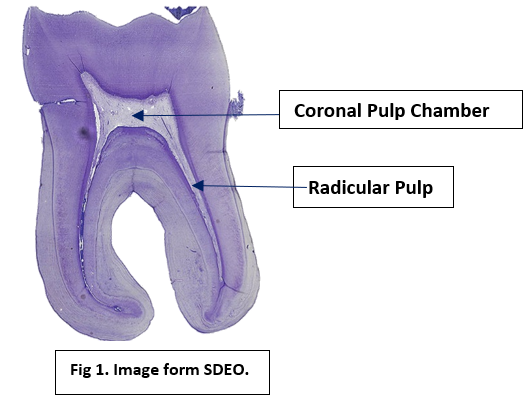
Teeth contain living tissue called pulp, which includes nerves and blood vessels. Decay, trauma, pressure or infection can irritate this tissue and the structures around a tooth. Some problems remain mild for a while; others can progress quickly. Heat, stress, interrupted sleep and difficulty reaching a clinic during traffic can make the experience feel even harder, but waiting for pain to become unbearable often narrows the treatment options.
7 common causes of toothache
1. Tooth decay
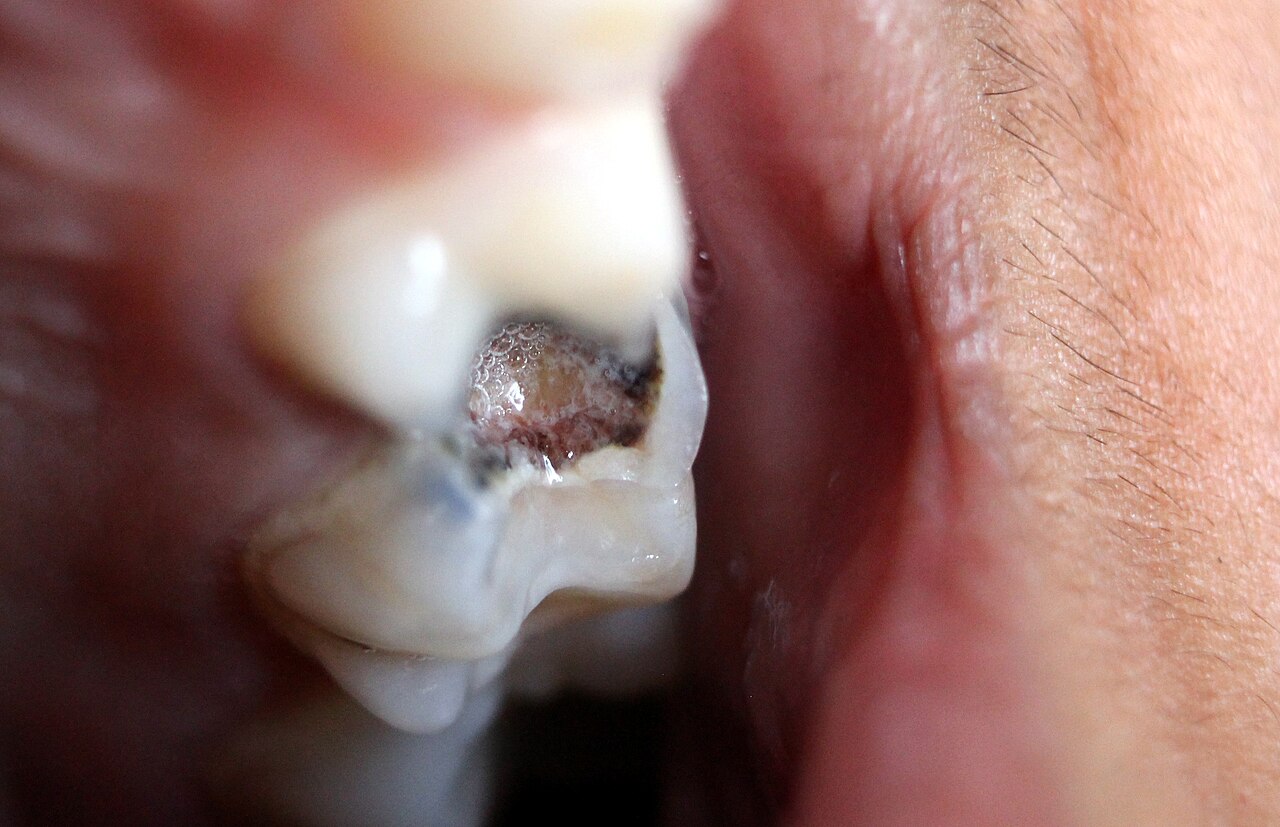
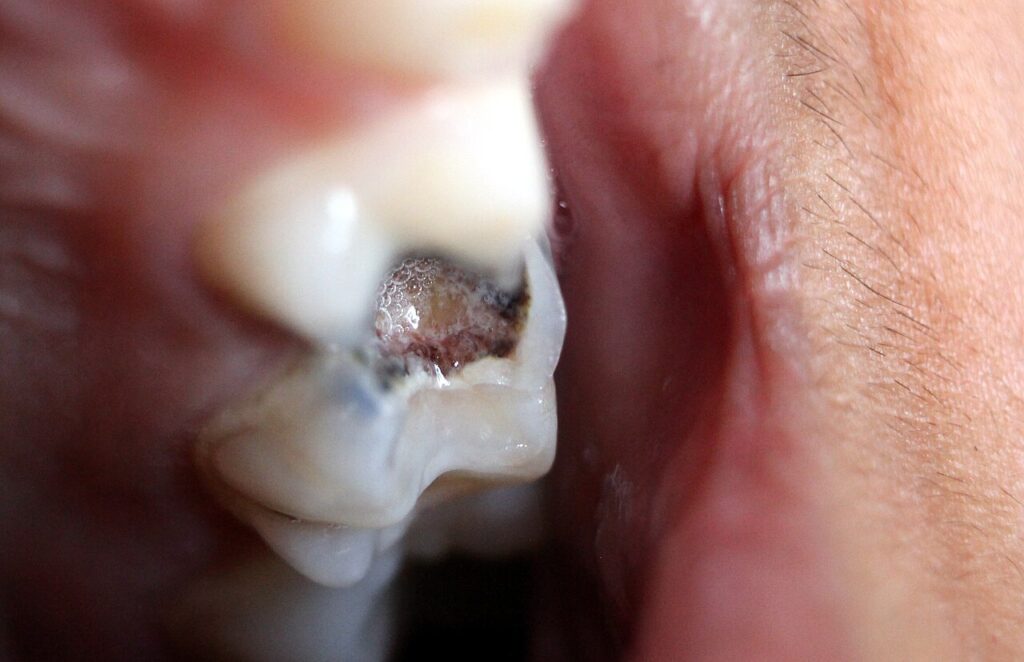
Decay starts when plaque bacteria use sugars from food and drinks to produce acids that weaken enamel. Early decay may cause no pain. As it reaches dentine, the tooth can react to cold, heat or sweet foods. When it approaches the nerve, pain may linger after the trigger has gone or begin without any trigger.
For toothache in Lagos caused by decay, a cavity does not heal by brushing harder or placing substances on it. A small cavity may need a filling, while deeper damage can require root canal treatment or extraction after assessment.
2. An inflamed tooth nerve
Pulpitis means inflammation inside the tooth. A mildly irritated nerve may recover after the cause is treated. A severely inflamed nerve often produces spontaneous throbbing, long-lasting pain after hot or cold drinks, or pain that wakes you from sleep. Night pain is not “ordinary sensitivity”; it is a strong reason to arrange prompt dental care.
3. A dental abscess
An abscess is a pocket of infection around a tooth root or in the gum. Signs may include severe throbbing, tenderness, swelling, a bad taste, fever or a small pimple on the gum. Pain can sometimes reduce if the abscess drains or the nerve dies, but the infection may still be present.
Read our detailed guide to a tooth abscess in Nigeria. Facial or neck swelling, breathing difficulty, swallowing difficulty, confusion or rapidly worsening illness requires emergency medical attention.
4. A cracked tooth or damaged filling
Toothache in Lagos can sometimes come from a crack. A crack may follow a fall, biting a hard object, teeth grinding or years of stress around a large filling. The classic clue is a sharp pain when biting or releasing the bite. Cracks are not always visible, and some do not appear clearly on an X-ray. Early assessment can sometimes prevent the crack from spreading further.
5. Gum disease or food trapped between teeth
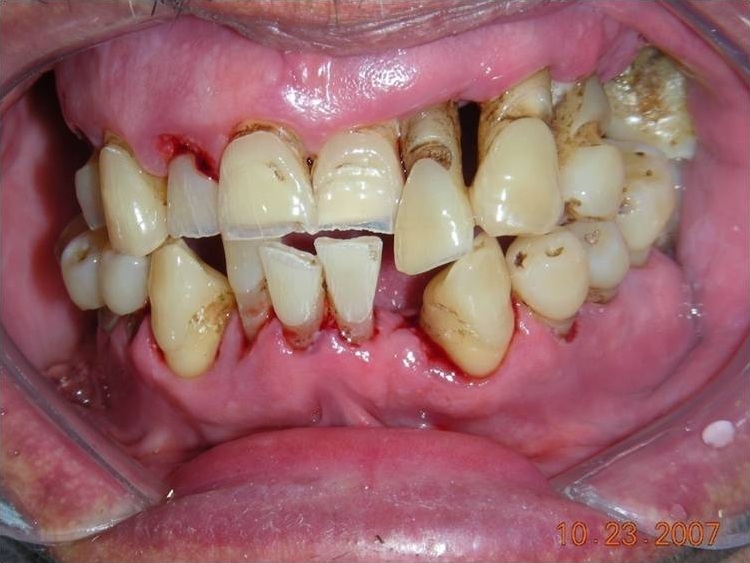
Inflamed gums can feel sore and bleed during brushing. More advanced gum disease can damage the bone around teeth and cause tenderness or looseness. A fibrous piece of meat trapped tightly between two teeth may also create surprisingly intense pressure. Gentle flossing can remove obvious trapped food, but repeated pain in the same area needs examination.
6. Wisdom-tooth inflammation
A partly erupted wisdom tooth can leave a gum flap that traps plaque and food. This can cause pain behind the last molar, swelling, a bad taste and difficulty opening the mouth. Repeated inflammation may mean the tooth’s position and surrounding tissues need assessment. See our guide to wisdom tooth removal in Lagos.
7. Pain referred from somewhere else
Not every toothache in Lagos begins in a tooth. Sinus inflammation, jaw-joint problems and tense chewing muscles can feel like toothache. Pain can also travel, so the tooth that seems responsible may not be the source. A careful history, clinical tests and an X-ray where appropriate help avoid treating the wrong tooth.
A relatable toothache in Lagos scenario
Imagine a Lagos professional who feels a brief cold sting in one molar for several weeks. Work is busy, so they keep postponing a check-up. The sting later becomes a lingering ache, then interrupts sleep on a Sunday night. This illustrative situation shows why timing matters: a symptom that initially suggested shallow decay may change as inflammation moves closer to the nerve. It is not a patient testimonial, and only an examination can confirm the cause in a real person.
What you can safely do before your appointment
- Rinse gently with warm salt water if the gum feels irritated.
- Brush carefully with fluoride toothpaste and clean between the teeth.
- Avoid very hot, cold or sugary foods if they trigger pain.
- Chew on the other side if biting hurts.
- Use an over-the-counter pain medicine only as directed on its label and ask a pharmacist if it is safe for you.
- Keep your head slightly raised when resting if lying flat increases throbbing.
Do not place aspirin, crushed tablets, bleach, petrol, battery fluid, undiluted essential oils or unknown herbal mixtures on the tooth or gum. These can burn tissue and delay proper treatment. Do not take leftover antibiotics or share someone else’s prescription. Antibiotics are not needed for every toothache and do not remove the source inside a damaged tooth.
When toothache needs urgent care
For toothache in Lagos, contact a dentist promptly for pain that is severe, persistent, getting worse, waking you from sleep, triggered by biting, or associated with a broken tooth. Seek urgent assessment for swelling, fever, pus, a bad taste, trauma or difficulty opening the mouth.
Go to an emergency department immediately if swelling is spreading towards the eye or neck, or if breathing or swallowing becomes difficult. The NHS toothache guidance also lists symptoms that need urgent help. The American Dental Association explains why a dental abscess requires professional treatment.
What happens at a dental visit?
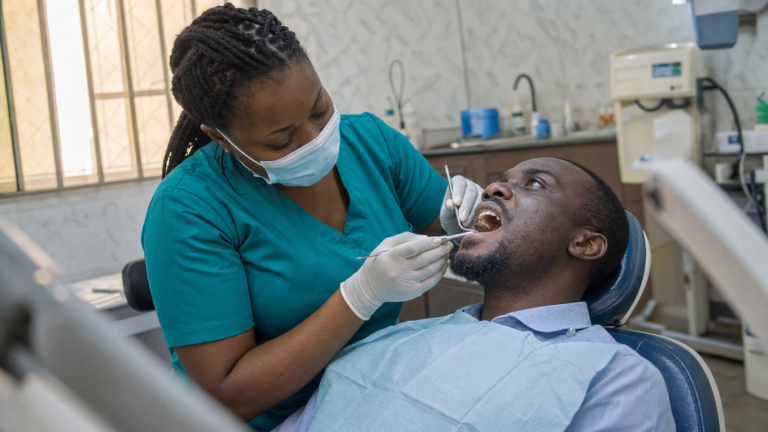
During a toothache in Lagos assessment, the dentist will ask when the pain started, what triggers it, how long it lasts and whether there is swelling or night pain. They may examine the teeth and gums, test the bite, use cold or tapping tests and take an X-ray when clinically necessary. The aim is to identify the exact tooth and whether its nerve can recover.
Treatment may involve cleaning and filling decay, adjusting or replacing a damaged filling, treating the gums, protecting a crack, root canal treatment or extraction when a tooth cannot be restored. The correct option depends on the diagnosis, not simply the intensity of pain.
Getting help for toothache in Lagos
At Dovers Dental Clinic in Lekki Phase 1, toothache care begins with assessment and a clear explanation of the findings. Exact treatment fees are not displayed as a universal price because two painful teeth can need very different care. You receive a personalised treatment plan and quote after examination.
If toothache in Lagos is affecting eating, concentration or sleep, book an appointment or review the clinic’s emergency dental care service.
Frequently asked questions
Why did my toothache suddenly stop?
The irritation may have settled, but sudden relief can also occur when a damaged nerve dies or an abscess drains. That does not prove the tooth has healed. Arrange a check if the earlier pain was severe, spontaneous or accompanied by swelling.
Can antibiotics cure toothache?
Usually not by themselves. Antibiotics may be appropriate when infection is spreading or there are systemic signs, but a cavity, infected nerve or abscess still needs dental treatment. A clinician should decide whether antibiotics are necessary.
Is night toothache always serious?
Night pain can occur when an inflamed tooth nerve is no longer recovering, especially if the pain starts without a trigger or lingers after heat or cold. It deserves prompt assessment even if pain medicine temporarily helps.
How quickly should I see a dentist?
For toothache in Lagos that persists, arrange care as soon as practical. Seek same-day help for severe pain, swelling, fever, trauma or difficulty opening the mouth, and emergency medical help for breathing or swallowing difficulty.
Reviewed for general dental accuracy by Dr Ola Adebayo. This article provides general education and cannot diagnose your toothache or replace an examination. Seek urgent professional care for swelling, fever, trauma, severe worsening pain, or any breathing or swallowing difficulty.